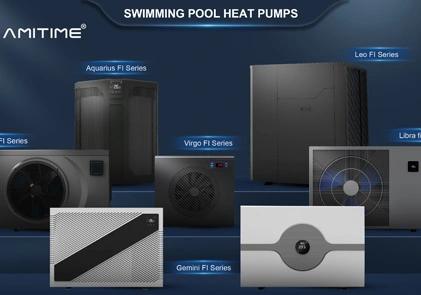
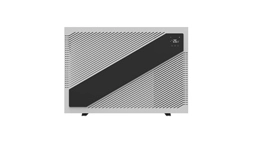
Swimming pools are a great addition to any home, offering relaxation and entertainment. However, the water temperature can often be a limiting factor, especially during cooler months. This is where heat pumps come in. They can revolutionize your swimming pool experience by maintaining a comfortable water temperature year - round.
Pool heat pumps operate on the principle of heat transfer. They extract heat from the surrounding air and transfer it to the pool water. First, the refrigerant in the heat pump absorbs heat from the air as it passes over the evaporator coil. The refrigerant then changes from a liquid to a gas. This gas is compressed, which increases its temperature. Finally, the hot gas passes through a condenser coil, where it releases the heat into the pool water, and then returns to a liquid state. This cycle repeats continuously to keep the pool water at a consistent temperature.
One of the primary benefits of a pool heat pump is energy efficiency. Unlike traditional pool heaters that burn fuel to generate heat, heat pumps simply move heat from one place to another. This means they use less energy and can significantly reduce your energy bills. Additionally, heat pumps are environmentally friendly as they produce fewer greenhouse gas emissions. They also have a long lifespan, often lasting 10 - 15 years with proper maintenance, providing you with years of reliable pool heating.
When selecting a pool heat pump, several factors need to be considered. The size of your pool is crucial, as you need a heat pump that can effectively heat the volume of water. You should also consider the climate in your area. In colder climates, you may need a more powerful heat pump to maintain an ideal water temperature. Noise level is another important factor if your pool area is close to living spaces. Look for models with low - noise operation. Additionally, check for features such as adjustable temperature settings and energy - saving modes.
Proper installation is essential for the efficient operation of your pool heat pump. It is recommended to hire a professional installer who has experience with these systems. They will ensure that all the connections are correct and that the heat pump is placed in an area with good air circulation. Maintenance is also key to extending the lifespan of your heat pump. Regularly clean or replace the air filters to prevent debris from clogging the system. Check for any leaks or damage and have the system serviced annually by a professional. By following these steps, you can keep your pool heat pump running smoothly for years to come.
In conclusion, a pool heat pump can transform your swimming pool into a year - round oasis. By understanding how they work, their benefits, how to choose the right one, and how to maintain it, you can make the most of your investment and enjoy warm, comfortable pool water whenever you want.


 English
 Deutsch
 français
 Español
 italiano
 Türkçe
 Svenska
 Afrikaans
 русский
 العربية
 日本語
日本語