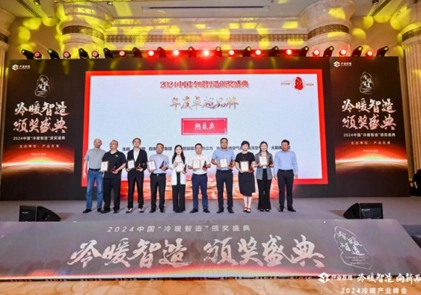
Heat pumps have emerged as a game - changer in China's energy landscape. With the country's commitment to carbon neutrality and the pursuit of sustainable development, heat pumps are playing a pivotal role.
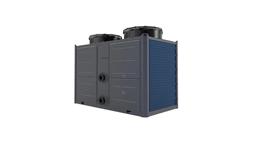
China has witnessed a remarkable increase in the adoption of heat pumps in recent years. The government's policies aimed at reducing reliance on coal - fired heating and promoting clean energy use have been a major driving force. For instance, in northern China, where winter heating has long been a significant source of air pollution, heat pumps are being installed on a large scale. These pumps can extract heat from the air, ground, or water, providing an efficient and environmentally friendly alternative to traditional heating methods.
Chinese manufacturers have been at the forefront of heat pump technology innovation. They have developed high - performance heat pumps that can operate efficiently even in extremely cold climates. New materials and design improvements have enhanced the energy efficiency of these pumps. For example, some heat pumps now use variable - speed compressors, which can adjust the heating or cooling output according to the actual demand, resulting in significant energy savings. Additionally, smart control systems have been integrated into heat pumps, allowing users to monitor and manage their energy consumption more effectively.
From an economic perspective, the widespread use of heat pumps is creating new business opportunities. The heat pump industry in China has been growing rapidly, generating jobs in manufacturing, installation, and maintenance. Moreover, heat pumps can reduce energy costs for consumers in the long run. Although the initial investment may be higher than traditional heating systems, the lower operating costs make them a cost - effective choice over time.
On the environmental front, heat pumps contribute to a significant reduction in greenhouse gas emissions. By replacing coal - fired boilers, they help improve air quality and mitigate the impacts of climate change. In addition, the use of renewable energy sources such as geothermal heat in some heat pump systems further enhances their environmental credentials.
Despite the many advantages, the heat pump industry in China also faces challenges. One of the main issues is the high upfront cost, which may deter some consumers and businesses from adopting heat pumps. There is also a need for better public awareness about the benefits of heat pumps.
To overcome these challenges, the government can continue to provide subsidies and incentives for heat pump installation. Manufacturers should focus on further reducing costs through economies of scale and technological innovation. In the future, as the technology matures and costs decline, heat pumps are expected to become even more widespread in China, further revolutionizing the country's energy landscape.




 English
 Deutsch
 français
 Español
 italiano
 Türkçe
 Svenska
 Afrikaans
 русский
 العربية
 日本語
日本語