In today's world, the demand for efficient and innovative water heating solutions is on the rise. Whether it's for a residential home or a commercial establishment, cutting - edge water heating technologies can truly revolutionize your space. This article will explore the various aspects of these advanced solutions.
Traditional water heating systems, such as storage - tank water heaters, have been around for decades. These systems store a large amount of hot water in a tank, ready for use. However, they come with several drawbacks. They often consume a significant amount of energy to keep the water hot at all times, and there can be issues with running out of hot water during peak usage.
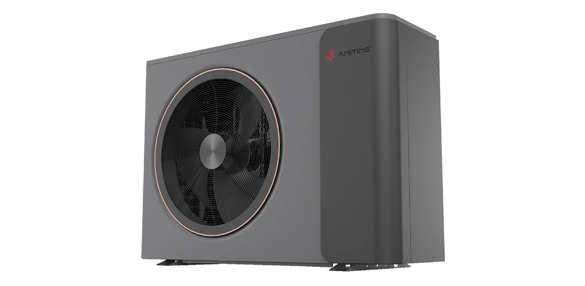
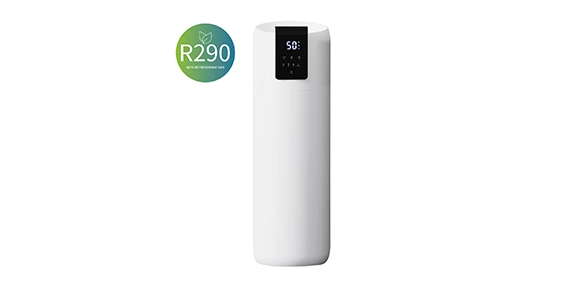
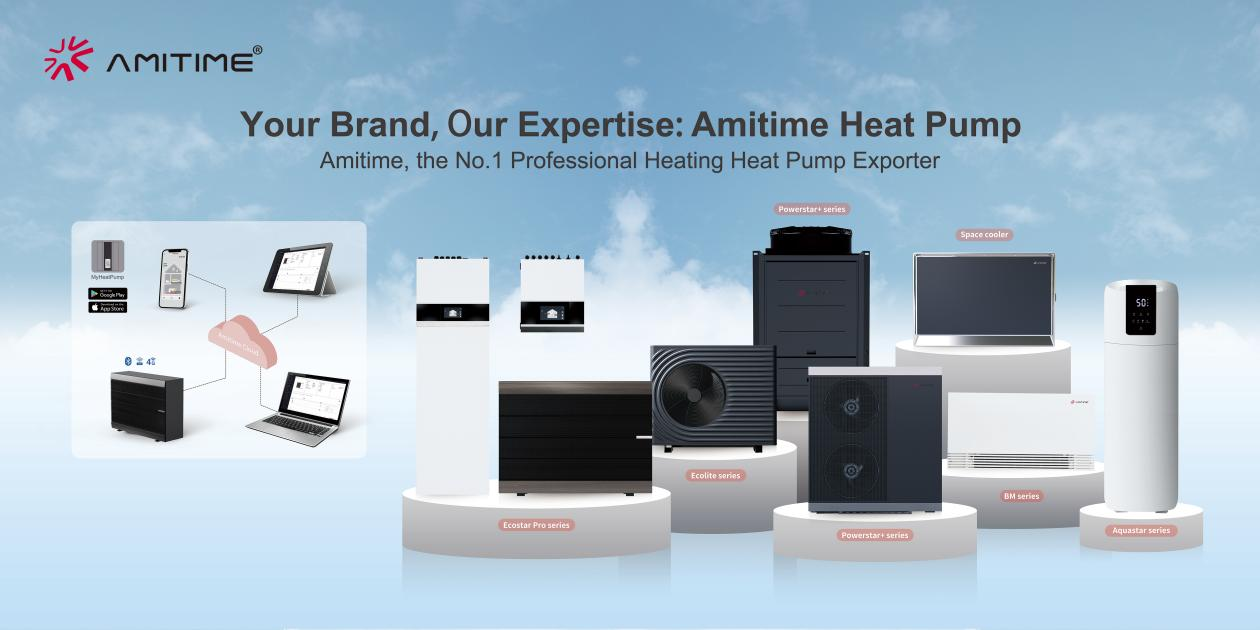
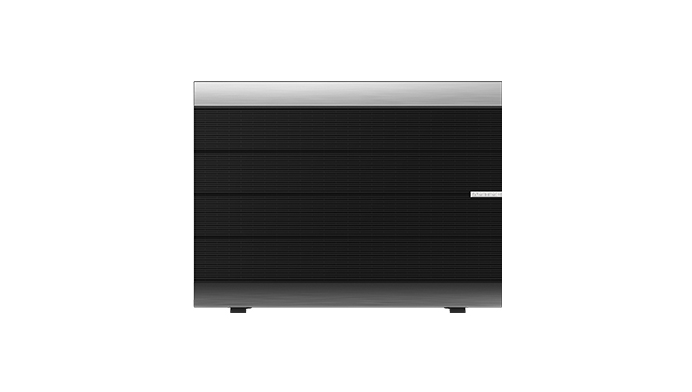
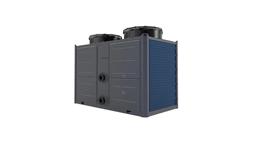
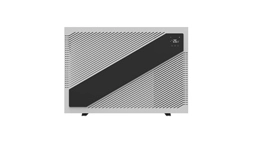
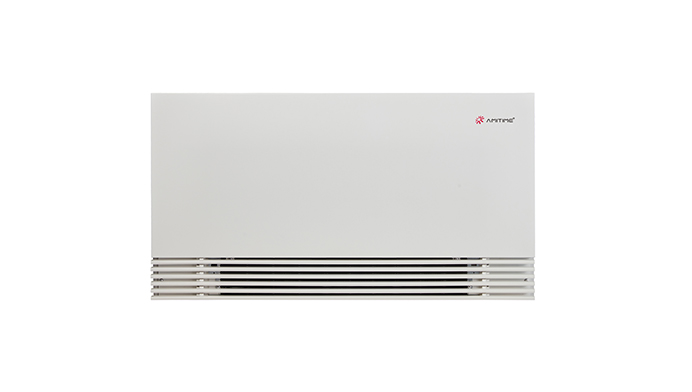
Modern water heating solutions have come a long way. Tankless water heaters, for example, heat water on demand. They don't require a large storage tank, which saves space and reduces standby energy losses. Heat pump water heaters are another innovation. They work by extracting heat from the air or ground and transferring it to the water, making them highly energy - efficient.
One of the most significant benefits of advanced water heating solutions is energy efficiency. Tankless water heaters can save up to 30% on energy costs compared to traditional tank - based systems. Heat pump water heaters can be even more efficient, with some models achieving energy savings of up to 60%. This not only reduces your utility bills but also has a positive impact on the environment by reducing your carbon footprint.
Space - saving is another advantage. Tankless water heaters are much smaller in size and can be installed on a wall, freeing up valuable floor space. This is particularly beneficial for small apartments or commercial spaces where space is at a premium.
Additionally, these modern systems offer a continuous supply of hot water. With tankless water heaters, you don't have to worry about running out of hot water during a long shower or while doing multiple loads of laundry.
When choosing a water heating solution, several factors need to be considered. First, assess your hot water demand. If you have a large family or a high - volume commercial operation, a system with a higher capacity may be necessary.
Next, consider the energy source. Options include electricity, natural gas, propane, and solar. Each has its own advantages and disadvantages in terms of cost, availability, and environmental impact. For example, solar water heaters are a great option for those looking to use renewable energy, but they may require a significant upfront investment.
You should also think about the installation requirements. Some systems may need specific plumbing or electrical work, so it's important to consult with a professional installer.
Proper installation is crucial for the optimal performance of your water heating system. It's recommended to hire a licensed and experienced installer who can ensure that the system is installed correctly and safely. They will also be able to provide guidance on any necessary permits or codes.
Regular maintenance is also essential to keep your water heating system running smoothly. This may include flushing the tank (if applicable), checking for leaks, and inspecting the heating elements. Most manufacturers provide maintenance guidelines, and following them can extend the lifespan of your system and prevent costly repairs.
In conclusion, cutting - edge water heating solutions offer numerous benefits in terms of energy efficiency, space - saving, and continuous hot water supply. By carefully selecting the right system and ensuring proper installation and maintenance, you can truly revolutionize your space with these advanced technologies.
This is the last one.


 English
 Deutsch
 français
 Español
 italiano
 Türkçe
 Svenska
 Afrikaans
 русский
 العربية
 日本語
日本語