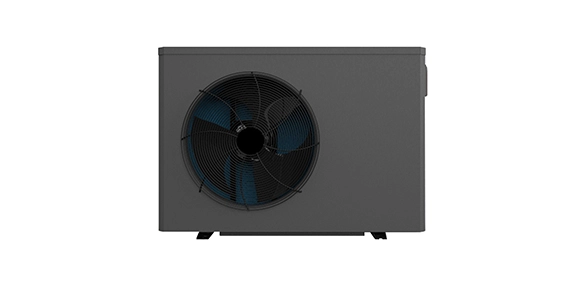
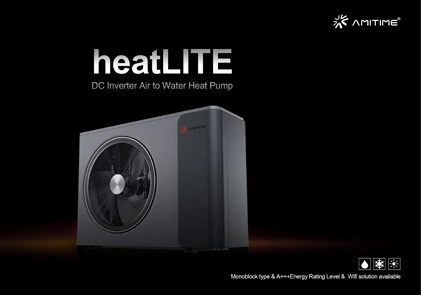
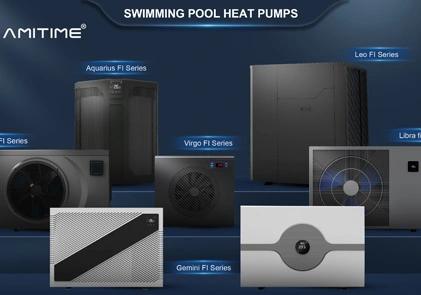
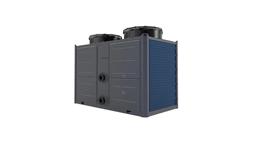
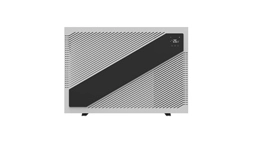
Swimming pool heat pumps are an essential component for pool owners who want to enjoy their pools year - round. These devices offer an efficient and cost - effective way to maintain a comfortable water temperature.
Pool heat pumps operate on the principle of heat transfer. They extract heat from the surrounding air and transfer it to the pool water. The process starts with a refrigerant that absorbs heat from the air as it passes through an evaporator coil. The refrigerant then turns into a gas, which is compressed by a compressor, increasing its temperature. This hot gas then passes through a condenser coil, where it releases the heat to the pool water. Finally, the refrigerant returns to its liquid state and the cycle repeats.
One of the main advantages of pool heat pumps is their energy efficiency. They use less electricity compared to traditional electric heaters, which can result in significant cost savings over time. Additionally, heat pumps are environmentally friendly as they rely on renewable energy from the air. They also have a longer lifespan, often lasting 10 - 15 years with proper maintenance. Moreover, pool heat pumps can maintain a consistent water temperature, providing a comfortable swimming experience regardless of the outside weather conditions.
When selecting a pool heat pump, several factors need to be considered. The size of the pool is crucial, as a larger pool will require a more powerful heat pump. The climate in the area also plays a role; in colder climates, a heat pump with a higher heating capacity may be necessary. Energy efficiency ratings, such as the Coefficient of Performance (COP), should be evaluated to ensure the heat pump will operate cost - effectively. Additionally, the noise level of the heat pump is important, especially if the pool is close to living areas.
Proper installation of a pool heat pump is essential for its efficient operation. It should be installed in a well - ventilated area with enough space around it for air circulation. The heat pump should also be connected to the pool's filtration system correctly. Regular maintenance is also key to extending the lifespan of the heat pump. This includes cleaning the filters, checking the refrigerant levels, and inspecting the electrical components. It is recommended to have a professional perform annual maintenance to ensure the heat pump is in optimal condition.
Overall, swimming pool heat pumps are a great investment for pool owners. They offer a reliable and efficient way to keep the pool water warm, allowing for more enjoyable swimming experiences throughout the year.


 English
 Deutsch
 français
 Español
 italiano
 Türkçe
 Svenska
 Afrikaans
 русский
 العربية
 日本語
日本語