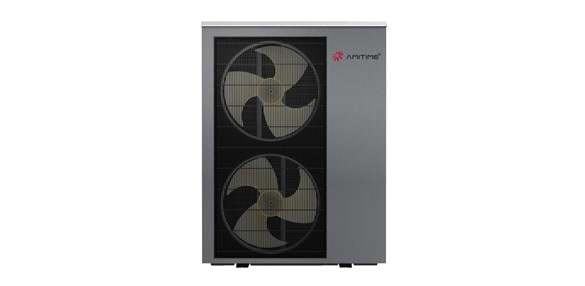
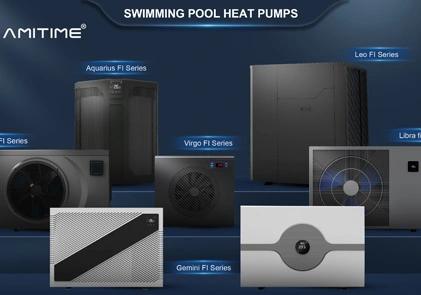
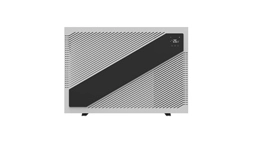
Swimming pool heat pumps are an increasingly popular choice for pool owners, offering an efficient and cost - effective way to maintain a comfortable water temperature. These devices work by extracting heat from the surrounding air and transferring it to the pool water, providing a consistent and warm swimming environment.
At the heart of a swimming pool heat pump is a refrigeration cycle. The process begins when the heat pump's evaporator coil absorbs heat from the outside air. A refrigerant within the coil turns into a gas as it warms up. This gas is then compressed by a compressor, which raises its temperature significantly. The hot gas then passes through a condenser coil, where it releases its heat to the pool water flowing through the coil. As the refrigerant releases its heat, it reverts back to a liquid state and the cycle repeats. This continuous process allows the heat pump to maintain a stable water temperature in the pool.
One of the main benefits of pool heat pumps is their energy efficiency. Compared to traditional pool heaters, such as gas heaters, heat pumps use less energy to achieve the same level of heating. This is because they are simply moving heat from one place to another rather than generating heat from scratch. As a result, pool owners can save a significant amount of money on their energy bills over time. Additionally, heat pumps are environmentally friendly as they produce fewer greenhouse gas emissions. They also offer a longer lifespan compared to some other heating options, providing reliable service for many years.
When selecting a pool heat pump, several factors need to be taken into account. The size of the pool is a crucial consideration. A heat pump that is too small will struggle to heat the pool effectively, while an oversized unit will be more expensive to purchase and operate. The climate in which the pool is located also matters. Heat pumps are most efficient in warmer climates, as they rely on the ambient air temperature to extract heat. In colder regions, additional heating methods may be required. The brand and model of the heat pump also play a role, as different manufacturers offer varying levels of quality, performance, and features.
Proper installation of a pool heat pump is essential for its optimal performance. It should be installed in a well - ventilated area with enough space around it to allow for proper air circulation. A professional installer is recommended to ensure that all connections are secure and the unit is set up correctly. Maintenance of a pool heat pump is relatively straightforward. Regularly cleaning the air filters and the condenser coil helps to maintain its efficiency. Checking the refrigerant levels and ensuring that all components are in good working condition are also important tasks. By following a proper maintenance schedule, pool owners can extend the lifespan of their heat pumps and keep their pools at a comfortable temperature year - round.


 English
 Deutsch
 français
 Español
 italiano
 Türkçe
 Svenska
 Afrikaans
 русский
 العربية
 日本語
日本語