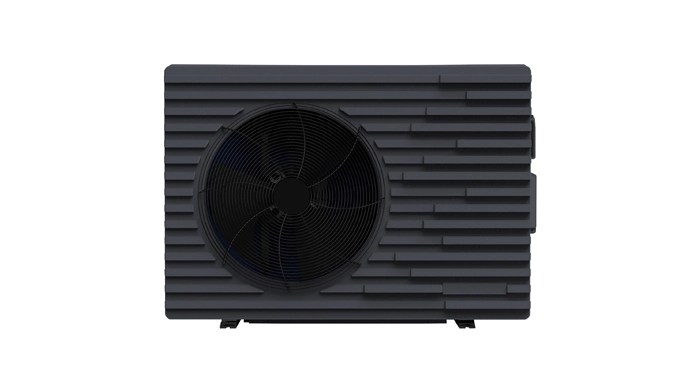
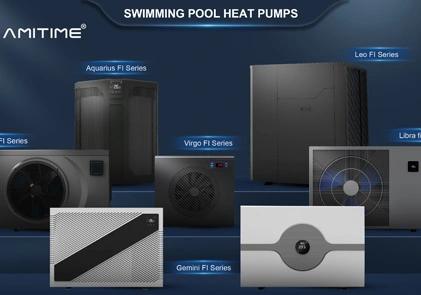
Heat pumps are essential for modern heating and cooling systems. They offer an energy - efficient alternative to traditional HVAC systems. In this article, we will explore different aspects of heat pumps suppliers.
There are various types of heat pump suppliers in the market. First, there are large - scale manufacturers. These companies produce heat pumps in high volumes and often have a wide range of models. They invest heavily in research and development to improve the efficiency and performance of their products. For example, some well - known large manufacturers can offer heat pumps with advanced features like variable - speed compressors and smart controls.
Secondly, there are regional suppliers. These suppliers focus on a specific geographical area. They are more familiar with the local climate and energy requirements. Regional suppliers can provide personalized services, such as on - site installation and maintenance. They may also have better relationships with local contractors, which can lead to more efficient project implementation.
Finally, online suppliers have become increasingly popular. They offer a convenient way to purchase heat pumps. Online platforms usually have a large inventory, allowing customers to compare different models and prices easily. However, customers need to be careful about the quality and warranty when buying from online suppliers.
When choosing a heat pump supplier, several key features should be considered. One important feature is product quality. A reliable supplier should offer heat pumps that meet industry standards and have a good track record of performance. This can be determined by checking customer reviews and industry certifications.
Another key aspect is after - sales service. A good supplier should provide comprehensive after - sales support, including installation, maintenance, and repair services. They should have a team of trained technicians who can respond quickly to customer needs.
Price is also a significant factor. While it is important to find a cost - effective solution, it is equally important not to sacrifice quality for a lower price. Customers should compare prices from different suppliers and consider the long - term cost of ownership, including energy consumption and maintenance costs.
Working with reputable heat pump suppliers offers several benefits. Firstly, they provide high - quality products. Reputable suppliers use the best materials and advanced manufacturing processes, ensuring that their heat pumps are durable and efficient. This can lead to lower energy bills and fewer breakdowns over time.
Secondly, they offer reliable customer support. Whether it is answering pre - sales questions or providing post - sales assistance, reputable suppliers are committed to customer satisfaction. They can also offer technical advice and guidance to help customers choose the right heat pump for their specific needs.
Finally, working with a well - known supplier can give customers peace of mind. They can be confident that they are getting a product that is backed by a reliable company with a good reputation in the industry.
To find the right heat pump supplier, start by doing research. Look for suppliers with a good reputation in the market. You can check online reviews, industry forums, and customer testimonials. Ask for recommendations from friends, family, or local contractors who have experience with heat pumps.
Contact multiple suppliers and request quotes. Compare the prices, product features, and after - sales services offered by different suppliers. You can also visit their showrooms or ask for product demonstrations to get a better understanding of their offerings.
Finally, consider the supplier's experience and expertise. A supplier with many years of experience in the heat pump industry is more likely to provide high - quality products and services. Check their certifications and affiliations to ensure they meet industry standards.


 English
 Deutsch
 français
 Español
 italiano
 Türkçe
 Svenska
 Afrikaans
 русский
 العربية
 日本語
日本語