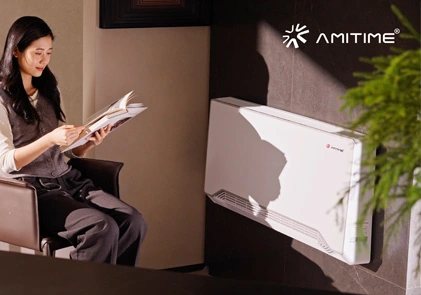
Residential heat pumps have emerged as a revolutionary solution for homeowners seeking to optimize their living spaces. These devices offer a unique blend of energy - efficiency, cost - savings, and environmental friendliness. In this article, we will explore the various aspects of residential heat pumps and how they can transform your home.
At the core of a heat pump's operation is the principle of heat transfer. Unlike traditional heating systems that generate heat, heat pumps move heat from one place to another. During the winter, they extract heat from the outside air (even in cold temperatures) and transfer it indoors. In the summer, the process is reversed, removing heat from inside your home and expelling it outside. This dual - functionality makes them an all - season solution for maintaining a comfortable indoor climate.
The key components of a heat pump include the compressor, condenser, evaporator, and expansion valve. The compressor pressurizes the refrigerant, causing it to release heat in the condenser. The refrigerant then expands in the expansion valve, cooling down and absorbing heat in the evaporator. This continuous cycle allows the heat pump to effectively heat or cool your home.
One of the most significant advantages of heat pumps is their energy efficiency. They can provide up to four times more energy than they consume, resulting in substantial savings on your utility bills. This efficiency also makes them an environmentally friendly choice, as they reduce greenhouse gas emissions compared to traditional heating and cooling systems.
In addition to energy savings, heat pumps offer consistent and comfortable heating and cooling. They maintain a steady temperature throughout your home, eliminating hot and cold spots often associated with other systems. Moreover, many modern heat pumps are equipped with advanced features such as variable - speed compressors, which adjust the output based on the actual heating or cooling needs of your home.
When selecting a residential heat pump, several factors need to be considered. The size of your home is crucial; an undersized unit will struggle to meet your heating and cooling demands, while an oversized one will waste energy. You should also consider the climate in your area. Some heat pumps are better suited for colder climates than others.
The efficiency rating of the heat pump, often measured by the Seasonal Energy Efficiency Ratio (SEER) for cooling and the Heating Seasonal Performance Factor (HSPF) for heating, is another important consideration. Higher ratings indicate greater energy efficiency. Additionally, the noise level of the unit can impact your comfort, so it's advisable to choose a quiet - running heat pump.
Proper installation is essential for the optimal performance of a heat pump. It's recommended to hire a professional installer who has experience with heat pump systems. The installer will ensure that the unit is correctly sized, placed, and connected to your home's ductwork or other distribution systems.
Regular maintenance is also crucial to keep your heat pump running efficiently. This includes cleaning or replacing air filters, checking refrigerant levels, and inspecting the electrical components. By following a maintenance schedule recommended by the manufacturer, you can extend the lifespan of your heat pump and avoid costly repairs.
In conclusion, residential heat pumps offer a transformative solution for modern homes. With their efficient operation, numerous benefits, and relatively easy maintenance, they are an investment that can enhance your home's comfort and value.


 English
 Deutsch
 français
 Español
 italiano
 Türkçe
 Svenska
 Afrikaans
 русский
 العربية
 日本語
日本語