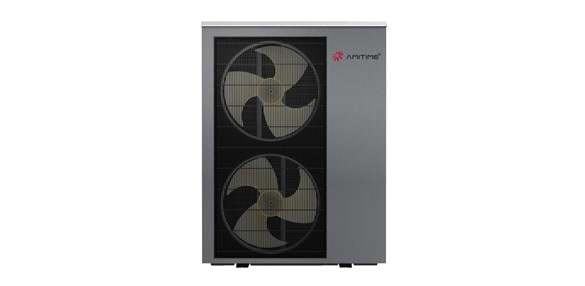
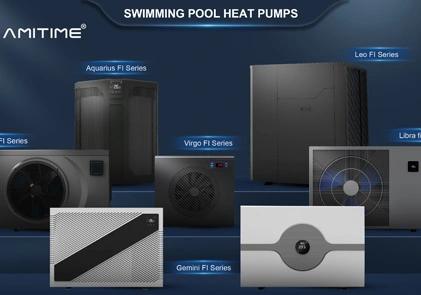
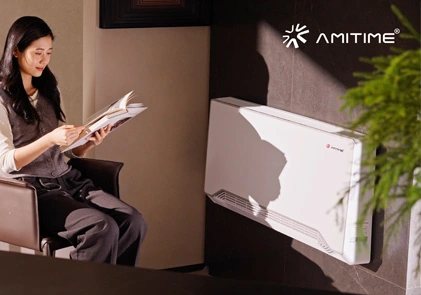
Residential heat pumps are rapidly emerging as the future of home comfort, offering a revolutionary approach to heating and cooling. These systems are not only energy - efficient but also environmentally friendly, making them an ideal choice for modern homeowners.
A residential heat pump operates on a simple yet effective principle. It transfers heat from one place to another, rather than generating heat directly. In the winter, it extracts heat from the outside air (even in cold temperatures) and transfers it inside your home. During the summer, the process is reversed, removing heat from your home and releasing it outside. This dual - functionality makes it a year - round solution for maintaining a comfortable indoor climate.
The heart of the heat pump is the refrigerant, which circulates through the system. As it absorbs and releases heat, it changes state from a gas to a liquid and back again. Compressors and expansion valves play crucial roles in regulating the pressure and temperature of the refrigerant, ensuring efficient operation.
One of the most significant advantages of residential heat pumps is their energy efficiency. They can provide up to four times more energy than they consume, resulting in substantial savings on utility bills. Additionally, since they do not rely on fossil fuels like traditional heating systems, they produce fewer greenhouse gas emissions, contributing to a cleaner environment.
Heat pumps also offer consistent comfort. They maintain a stable temperature throughout your home, eliminating the hot and cold spots often associated with other heating and cooling methods. Moreover, they operate quietly, providing a peaceful living environment.
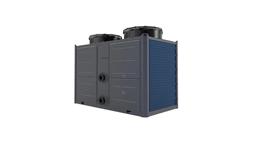
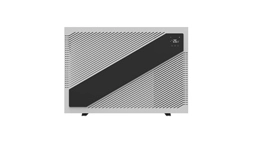
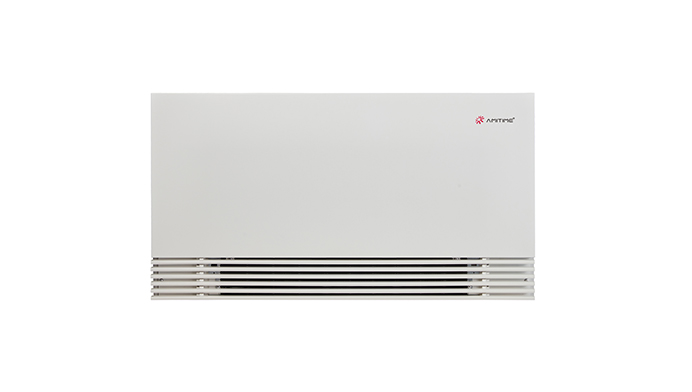
Installing a residential heat pump requires professional expertise. A qualified technician will assess your home's size, insulation, and existing HVAC system to determine the appropriate heat pump size and type. The installation process typically involves mounting the outdoor unit, connecting the refrigerant lines, and integrating the indoor unit with your home's ductwork or ductless system.
Routine maintenance is essential to keep your heat pump running smoothly. This includes cleaning or replacing air filters, checking refrigerant levels, and inspecting the electrical components. Regular maintenance not only extends the lifespan of your heat pump but also ensures optimal performance.
As technology continues to advance, residential heat pumps are becoming even more efficient and user - friendly. New models are equipped with smart features that allow you to control the temperature and settings remotely using your smartphone. This level of convenience gives homeowners greater control over their home's comfort.
With increasing awareness of energy conservation and environmental protection, heat pumps are likely to become the standard for home heating and cooling in the future. Their ability to provide both warmth in the winter and coolness in the summer, combined with their energy - saving and eco - friendly features, makes them an unbeatable choice for modern homes.


 English
 Deutsch
 français
 Español
 italiano
 Türkçe
 Svenska
 Afrikaans
 русский
 العربية
 日本語
日本語