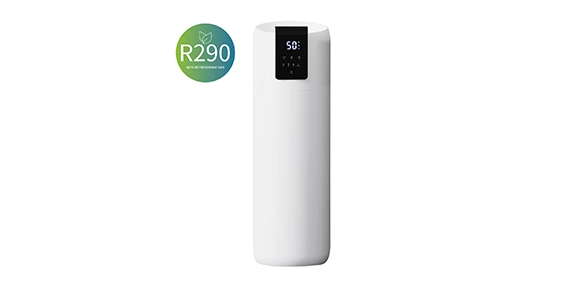
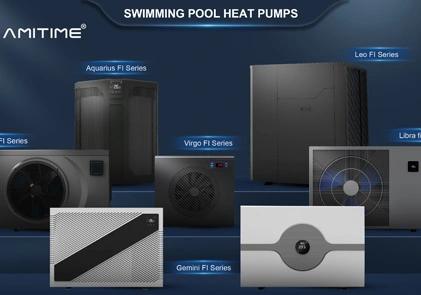
Residential heat pumps are revolutionizing the way we heat and cool our homes. These innovative systems offer a range of benefits that make them an attractive option for homeowners looking to enhance comfort, save energy, and reduce costs. Let's explore the magic of residential heat pumps in more detail.
Heat pumps operate on a simple yet effective principle. They transfer heat from one place to another, rather than generating heat directly. In the winter, they extract heat from the outside air (even in cold temperatures) and transfer it indoors. In the summer, the process is reversed, removing heat from the indoor air and expelling it outside. This dual functionality makes heat pumps a versatile solution for year - round climate control.
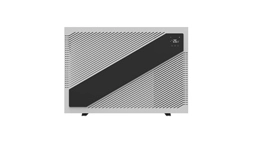
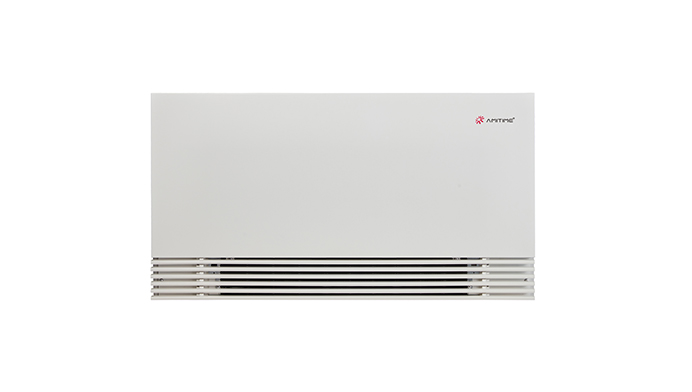
The core components of a heat pump include an outdoor unit, an indoor unit, and a refrigerant. The refrigerant absorbs and releases heat as it circulates between the two units, facilitating the heat transfer process. Advanced heat pumps also use variable - speed compressors, which adjust their operation based on the heating or cooling needs of the home, providing more precise temperature control and greater energy efficiency.
One of the most significant advantages of residential heat pumps is their energy efficiency. Compared to traditional heating systems such as furnaces, heat pumps can use up to 50% less energy to produce the same amount of heat. This is because they rely on the transfer of existing heat rather than the combustion of fuel. As a result, homeowners can expect to see substantial savings on their energy bills.
Additionally, many governments and utility companies offer incentives and rebates for installing energy - efficient heat pumps. These financial incentives can further offset the initial cost of purchasing and installing a heat pump, making it a more affordable option in the long run.
Heat pumps provide consistent and even heating and cooling throughout the home. Unlike some traditional systems that can create hot and cold spots, heat pumps distribute air evenly, ensuring a comfortable living environment. They also operate quietly, minimizing noise disruptions.
In terms of indoor air quality, heat pumps can help filter and dehumidify the air. By removing excess moisture, they reduce the risk of mold and mildew growth, which can be harmful to health. Some heat pumps also come with advanced air filtration systems that can remove dust, pollen, and other allergens from the air, improving the overall air quality in the home.
Proper installation is crucial for the optimal performance of a residential heat pump. It is recommended to hire a professional HVAC contractor who has experience with heat pump installation. The contractor will assess the size and layout of your home to determine the appropriate heat pump capacity and ensure that it is installed correctly.
Maintenance of heat pumps is relatively straightforward. Regular tasks include cleaning or replacing air filters, checking refrigerant levels, and inspecting the outdoor unit for debris. Scheduling annual maintenance with a professional can help identify and address any potential issues before they become major problems, ensuring the long - term reliability and efficiency of the heat pump.
In conclusion, residential heat pumps offer a magical solution for transforming your home. With their energy efficiency, comfort benefits, and ease of maintenance, they are a smart choice for modern homeowners.


 English
 Deutsch
 français
 Español
 italiano
 Türkçe
 Svenska
 Afrikaans
 русский
 العربية
 日本語
日本語