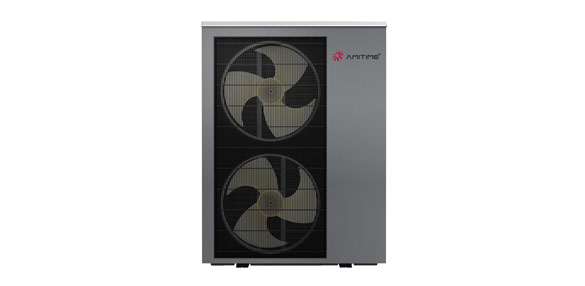
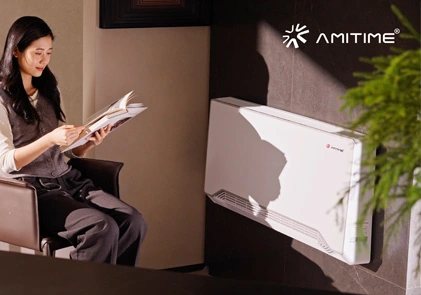
In the pursuit of a more comfortable and energy - efficient home, residential heat pumps emerge as a revolutionary solution. These innovative devices offer a magical blend of heating and cooling capabilities, making them a game - changer for homeowners.
Residential heat pumps are systems that transfer heat from one place to another. In the winter, they extract heat from the outside air (even in cold temperatures) and move it inside your home to warm it up. In the summer, the process is reversed; they remove heat from your home and release it outside, providing effective air - conditioning. This dual functionality is what sets them apart from traditional heating and cooling systems.
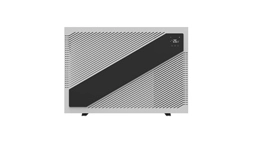
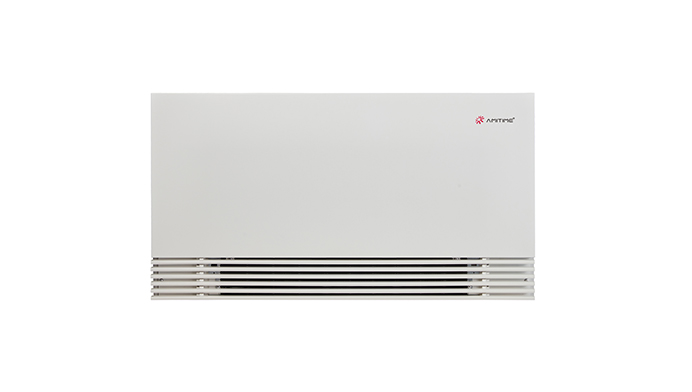
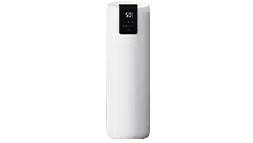
There are different types of residential heat pumps, such as air - source heat pumps, which are the most common and are relatively easy to install. Ground - source heat pumps, although more expensive to install, are highly efficient as they utilize the stable temperature of the ground. Water - source heat pumps are also an option, which use a body of water as a heat source or sink.
One of the most significant advantages of residential heat pumps is their energy efficiency. Traditional heating systems, like furnaces, often rely on burning fossil fuels, which can be costly and environmentally harmful. Heat pumps, on the other hand, simply move heat instead of generating it, which means they use less energy to achieve the same level of comfort.
Over time, this energy - saving feature can lead to substantial cost savings on your utility bills. Additionally, many governments and utility companies offer incentives, such as tax credits and rebates, for homeowners who install energy - efficient heat pumps. These financial incentives further reduce the upfront cost of installation and make heat pumps an even more attractive option.
Heat pumps provide consistent and even heating and cooling throughout your home. Unlike some traditional systems that can create hot or cold spots, heat pumps distribute air evenly, ensuring a comfortable temperature in every room. This creates a more pleasant living environment for you and your family.
In terms of indoor air quality, heat pumps can also play a positive role. Many models come with built - in air filters that can remove dust, pollen, and other allergens from the air. By circulating and filtering the air, heat pumps help to keep your home's air clean and healthy, especially beneficial for those with allergies or respiratory problems.
When it comes to installation, it's crucial to hire a professional HVAC technician. A proper installation ensures that the heat pump operates efficiently and effectively. The technician will assess your home's size, insulation, and other factors to determine the right - sized heat pump for your needs.
Maintenance of residential heat pumps is relatively straightforward. Regular tasks include cleaning or replacing air filters, checking refrigerant levels, and ensuring that the outdoor unit is clear of debris. Most heat pumps have a long lifespan, but proper maintenance can extend it even further, ensuring that you enjoy the benefits of your heat pump for many years to come.


 English
 Deutsch
 français
 Español
 italiano
 Türkçe
 Svenska
 Afrikaans
 русский
 العربية
 日本語
日本語