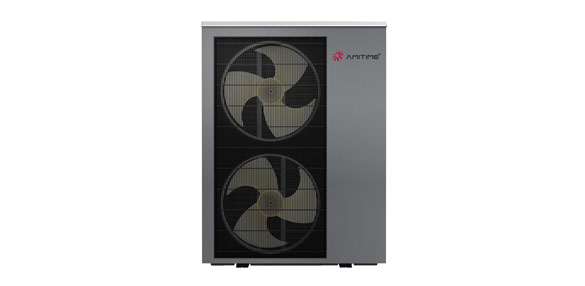
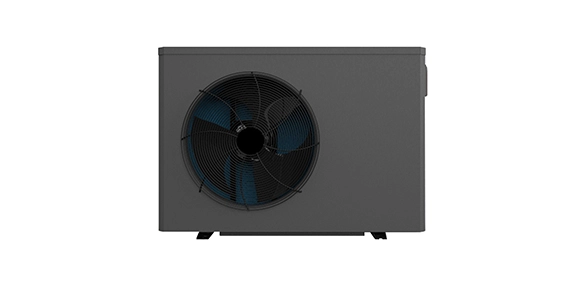
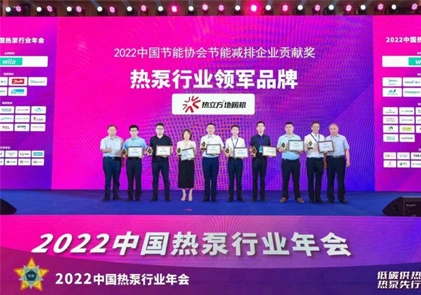
Heat pump companies play a crucial role in the modern energy - efficient heating and cooling industry. These companies are at the forefront of technological innovation, providing solutions that are not only environmentally friendly but also cost - effective. In this article, we will explore some of the key aspects of heat pump companies.
There are several well - known industry giants in the heat pump sector. Companies like Daikin, Mitsubishi Electric, and Carrier have long - standing reputations for quality and reliability. Daikin, for example, is a global leader in air - conditioning and heat pump technology. Their products are known for their high energy efficiency and advanced features. Mitsubishi Electric offers a wide range of heat pumps, from small - scale residential units to large - scale commercial systems. Carrier, with its long history in the HVAC industry, provides heat pumps that are designed to meet various customer needs, whether it's for a single - family home or a large office building.
Heat pump companies are constantly investing in research and development to improve their products. One of the key areas of innovation is in the development of more efficient compressors. New compressor technologies can significantly reduce energy consumption and improve the overall performance of heat pumps. Another area of focus is the integration of smart technology. Many modern heat pumps can be controlled remotely via mobile apps, allowing users to adjust settings and monitor energy usage. Some companies are also exploring the use of renewable energy sources, such as solar power, to power heat pumps, making them even more sustainable.
The heat pump market is experiencing significant growth, driven by factors such as increasing energy costs and a growing awareness of environmental issues. There is a rising demand for heat pumps in both residential and commercial sectors. In the residential market, homeowners are looking for ways to reduce their energy bills and carbon footprint. In the commercial sector, businesses are seeking energy - efficient solutions to meet sustainability goals. Additionally, government incentives and regulations are also playing a role in promoting the adoption of heat pumps. For example, some governments offer tax credits or subsidies for the installation of energy - efficient heat pumps.
Good customer support and service are essential for heat pump companies. When customers purchase a heat pump, they expect reliable installation, maintenance, and repair services. Leading companies have a network of trained technicians who can provide prompt and efficient service. They also offer warranties on their products, giving customers peace of mind. Some companies even provide educational resources to help customers understand how to use and maintain their heat pumps effectively. This focus on customer support helps build long - term relationships with customers and enhances the company's reputation in the market.


 English
 Deutsch
 français
 Español
 italiano
 Türkçe
 Svenska
 Afrikaans
 русский
 العربية
 日本語
日本語