Heat pump companies play a crucial role in the global effort to transition towards more sustainable and energy - efficient heating and cooling solutions. These companies are at the forefront of innovation, offering a wide range of products that meet diverse consumer needs.
Some of the most well - known heat pump companies are industry giants with a long - standing reputation. Companies like Daikin, for example, have been in the market for decades. Daikin offers a comprehensive line of heat pumps, from residential to commercial units. Their products are known for their high - efficiency ratings, advanced technology, and durability. Another major player is Mitsubishi Electric. Mitsubishi's heat pumps are praised for their quiet operation and precise temperature control. They have a strong presence in both the domestic and international markets, and their research and development efforts continuously push the boundaries of heat pump technology.
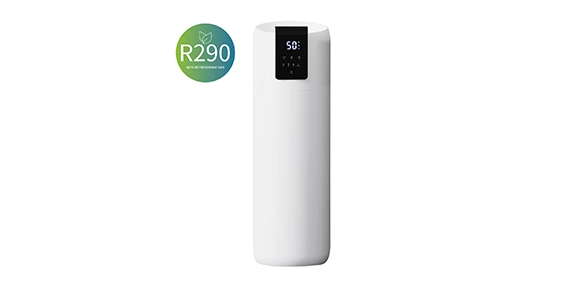
Innovation is a key factor in the success of heat pump companies. Many companies are investing heavily in research to develop more efficient and environmentally friendly heat pumps. For instance, some manufacturers are working on heat pumps that use natural refrigerants, which have a lower global warming potential compared to traditional refrigerants. Additionally, smart technology integration is becoming increasingly common. Heat pumps can now be connected to home automation systems, allowing users to control their heating and cooling remotely. This not only provides convenience but also helps in optimizing energy consumption.
The heat pump market is experiencing several trends. One of the significant trends is the growing demand for air - source heat pumps, especially in regions with moderate climates. Air - source heat pumps are relatively easy to install and can provide both heating and cooling. Another trend is the increasing adoption of heat pumps in the commercial sector. Businesses are recognizing the long - term cost savings and environmental benefits of using heat pumps for their heating and cooling needs. Moreover, government incentives and regulations are also driving the market. Many countries are offering subsidies and tax credits to encourage the installation of energy - efficient heat pumps.
Good customer service and support are essential for heat pump companies. Installing a heat pump is a significant investment, and customers need reliable after - sales service. Leading companies offer comprehensive warranties, maintenance services, and technical support. They also provide training for installers to ensure proper installation and operation of their products. This helps in building customer trust and loyalty, which is crucial in a competitive market. Companies that prioritize customer satisfaction are more likely to succeed in the long run.
In conclusion, heat pump companies are shaping the future of heating and cooling. With continuous innovation, adaptation to market trends, and a focus on customer service, these companies are making significant contributions to a more sustainable and energy - efficient world.


 English
 Deutsch
 français
 Español
 italiano
 Türkçe
 Svenska
 Afrikaans
 русский
 العربية
 日本語
日本語