Residential heat pumps have emerged as a popular and efficient solution for heating and cooling homes. They offer a sustainable alternative to traditional heating and cooling systems, making them an attractive option for homeowners.
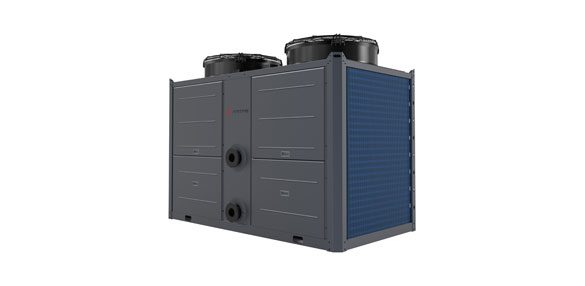
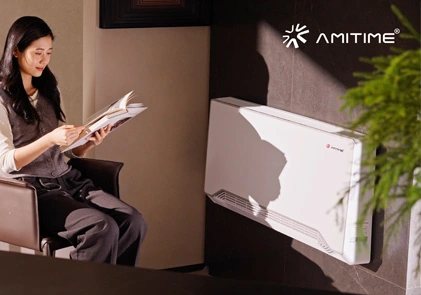
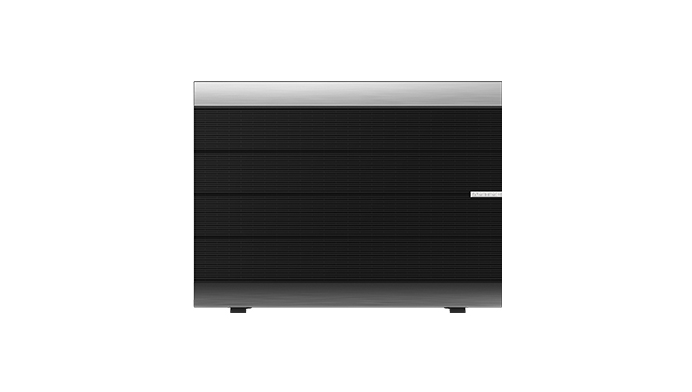
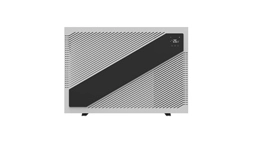
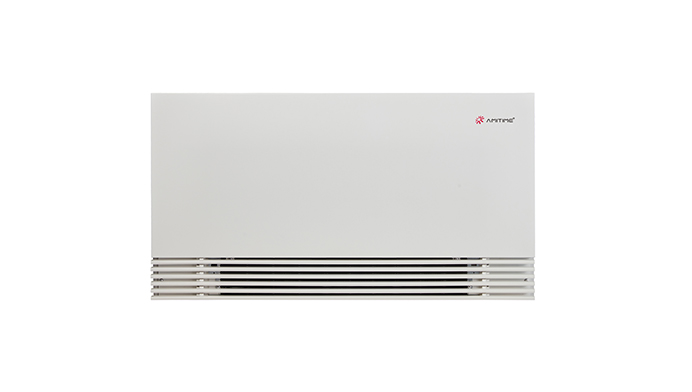
Residential heat pumps operate on the principle of transferring heat, rather than generating it. In the winter, they extract heat from the outside air (even in cold temperatures) and transfer it inside the home. During the summer, the process is reversed, with the heat pump removing heat from the indoor air and releasing it outside. This dual functionality makes them suitable for year - round use. The heat pump consists of an outdoor unit, which contains the compressor and condenser, and an indoor unit, which includes the evaporator. Refrigerant circulates between these components, facilitating the heat transfer process.
One of the primary benefits of residential heat pumps is their energy efficiency. They can provide up to four times more energy than they consume, resulting in significant savings on energy bills. Additionally, heat pumps are environmentally friendly as they produce fewer greenhouse gas emissions compared to fossil - fuel - based heating systems. They also offer a quieter operation compared to traditional HVAC systems, providing a more comfortable living environment. Moreover, heat pumps can improve indoor air quality as they filter and dehumidify the air, reducing the presence of allergens and pollutants.
There are several types of residential heat pumps available. Air - source heat pumps are the most common and are relatively easy to install. They work by extracting heat from the outside air. Ground - source heat pumps, also known as geothermal heat pumps, are more efficient but more expensive to install. They use the stable temperature of the ground to transfer heat. Water - source heat pumps are another option, which extract heat from a water source such as a lake or well. Each type has its own advantages and disadvantages, and the choice depends on factors such as climate, available space, and budget.
Proper installation of a residential heat pump is crucial for its optimal performance. It is recommended to hire a professional installer who has experience with heat pump systems. During installation, factors such as the size of the home, the location of the units, and the ductwork need to be carefully considered. Maintenance is also essential to ensure the longevity and efficiency of the heat pump. Regular maintenance tasks include cleaning or replacing air filters, checking refrigerant levels, and inspecting the electrical components. By following a proper maintenance schedule, homeowners can extend the lifespan of their heat pump and avoid costly repairs.
In conclusion, residential heat pumps offer a range of benefits, including energy efficiency, environmental friendliness, and improved indoor comfort. With the right type of heat pump and proper installation and maintenance, homeowners can enjoy a reliable and cost - effective heating and cooling solution for their homes.


 English
 Deutsch
 français
 Español
 italiano
 Türkçe
 Svenska
 Afrikaans
 русский
 العربية
 日本語
日本語