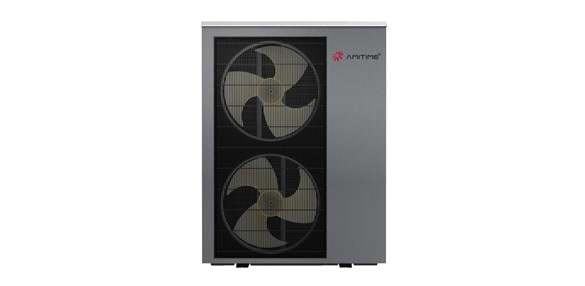
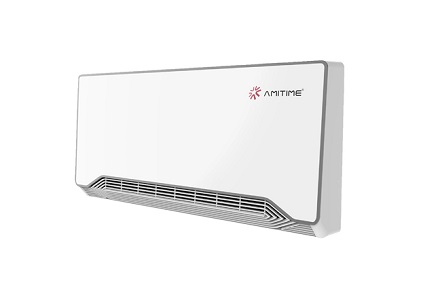
Residential heat pumps have become an increasingly popular choice for homeowners seeking energy - efficient and cost - effective heating and cooling solutions. This article will delve into various aspects of these systems.
Heat pumps operate on a simple yet effective principle. They transfer heat rather than generating it. In the heating mode, the heat pump extracts heat from the outside air, ground, or water and transfers it inside the home. Even in cold weather, the outside air contains some heat energy that can be harnessed. During the cooling season, the process reverses. The heat pump removes heat from the indoor air and releases it outside. This dual - functionality makes them a versatile option for year - round climate control.
There are primarily three types of residential heat pumps: air - source, ground - source, and water - source. Air - source heat pumps are the most common. They are relatively easy and inexpensive to install. These pumps extract heat from or transfer heat to the outside air. Ground - source heat pumps, also known as geothermal heat pumps, are more efficient but more expensive to install. They use the stable temperature underground to exchange heat. Water - source heat pumps are less common and are typically used in areas near a water source. They exchange heat with water, such as a lake or pond, providing a stable and efficient heat transfer medium.
One of the main advantages of residential heat pumps is energy efficiency. They consume less energy compared to traditional heating and cooling systems, which can lead to significant savings on utility bills. Additionally, heat pumps are environmentally friendly. Since they transfer heat rather than burn fossil fuels, they produce fewer greenhouse gas emissions. Moreover, they offer consistent heating and cooling, maintaining a comfortable indoor temperature throughout the year. They also have a long lifespan, providing reliable service for many years with proper maintenance.
Proper installation is crucial for the optimal performance of a residential heat pump. It is recommended to hire a professional installer who has experience with heat pump systems. The installation process involves choosing the right location, sizing the unit correctly, and connecting the necessary ductwork or piping. Maintenance is also important. Regular maintenance tasks include checking and cleaning the filters, inspecting the refrigerant levels, and ensuring the outdoor unit is free of debris. Following the manufacturer's maintenance schedule can help extend the lifespan of the heat pump and keep it running efficiently.
In conclusion, residential heat pumps are a smart choice for homeowners. With their efficient operation, various types to choose from, multiple benefits, and relatively straightforward installation and maintenance requirements, they offer an attractive solution for home climate control.


 English
 Deutsch
 français
 Español
 italiano
 Türkçe
 Svenska
 Afrikaans
 русский
 العربية
 日本語
日本語