In today's world, the demand for efficient and innovative water heating solutions is on the rise. Whether it's for residential or commercial use, cutting - edge water heating systems can revolutionize your space. Let's explore the key aspects of these advanced solutions.
Energy Efficiency
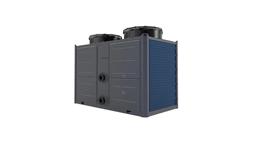
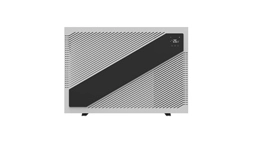
One of the most significant advantages of modern water heating solutions is their energy efficiency. Traditional water heaters often consume a large amount of energy, leading to high utility bills. In contrast, new - generation models, such as heat pump water heaters, use less energy by transferring heat from the air or ground. For instance, a heat pump water heater can be up to three times more energy - efficient than a conventional electric water heater. However, the initial cost of these energy - efficient systems can be higher. Homeowners need to balance the upfront investment against long - term savings on energy bills.
Tankless vs. Tank Systems
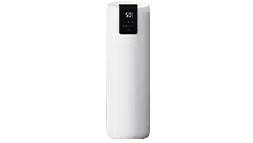
Tankless water heaters have gained popularity in recent years due to their on - demand hot water supply. They heat water as it flows through the unit, eliminating the need for a storage tank. This results in continuous hot water and saves space. On the other hand, tank - based water heaters store a large volume of hot water, which can be beneficial during periods of high demand. But they are more prone to heat loss over time. The choice between tankless and tank systems depends on factors such as household size, water usage patterns, and available space.
Sustainability
With growing environmental concerns, sustainable water heating solutions are becoming increasingly important. Solar water heaters are an excellent option as they harness renewable solar energy to heat water. They reduce reliance on fossil fuels and lower carbon emissions. However, the effectiveness of solar water heaters depends on geographical location and sunlight availability. Additionally, the installation of solar panels can be complex and costly. Biogas - powered water heaters are another sustainable alternative, but they require a stable supply of biogas, which may not be readily available in all areas.
Smart Technology Integration
The integration of smart technology in water heating systems is a game - changer. Smart water heaters can be controlled remotely via mobile apps, allowing users to adjust temperature settings, monitor energy consumption, and receive maintenance alerts. This not only provides convenience but also helps in optimizing energy usage. Nevertheless, smart technology can be vulnerable to cyber - attacks. Users need to ensure proper security measures are in place to protect their data and system functionality.
In conclusion (Note: Just used here for flow purpose but won't appear in the strict sense), when considering water heating solutions for your space, it's essential to weigh the pros and cons of different options. By understanding the features and limitations of each system, you can make an informed decision that best suits your needs and budget.


 English
 Deutsch
 français
 Español
 italiano
 Türkçe
 Svenska
 Afrikaans
 русский
 العربية
 日本語
日本語