If you're looking to enter the heat pump market under your own brand, you've probably come across two terms: OEM and ODM. They sound similar, but they mean very different things for your business — in terms of cost, time to market, and how much control you have over the product.
OEM means you bring the specs
OEM stands for Original Equipment Manufacturing. In this model, you already have a product design or a detailed specification sheet, and you hire a manufacturer to build it exactly as you've drawn it up. You're the one calling the shots on the performance parameters, the refrigerant type, the control logic, the dimensions. The manufacturer's job is to execute.
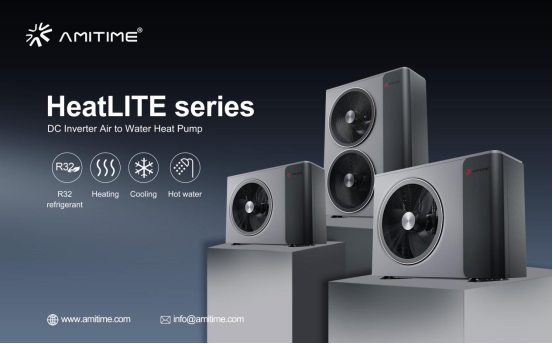
This works well if you have an in-house engineering team or a clear technical vision for your product. The downside is that development tends to be slower and more expensive, because you're essentially starting from scratch or doing heavy customization.
ODM means the manufacturer brings the design
ODM stands for Original Design Manufacturing. Here, the manufacturer already has a proven product platform — tested, certified, and market-ready — and you customize it with your branding, packaging, color scheme, and maybe a few tweaks to the control settings or accessories.
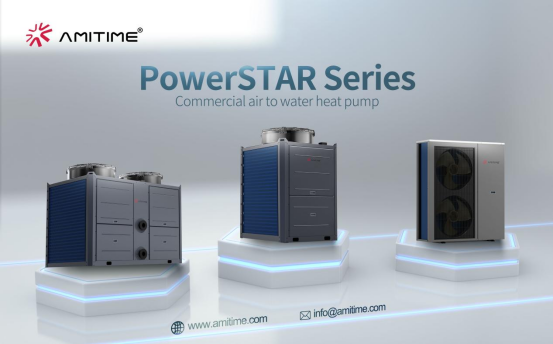
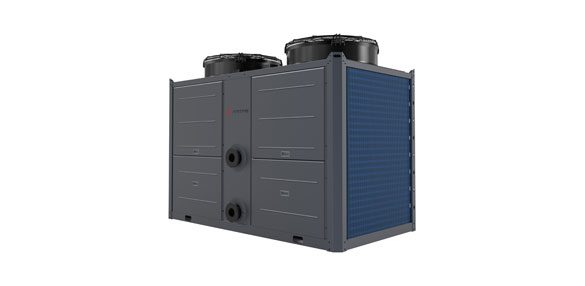
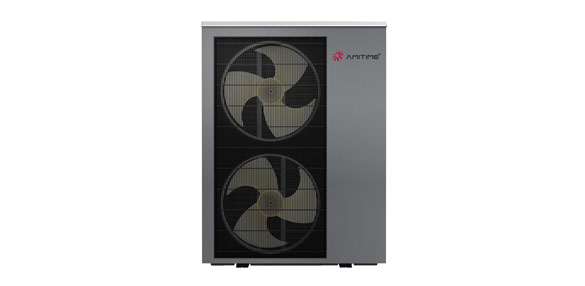
For a lot of businesses entering the heat pump space, this is the faster route. Instead of spending months or years on R&D and certification, you're building on a foundation that's already been validated. AMITIME, for example, has been offering ODM solutions for over 20 years, with products already certified to TÜV, Intertek, MCS, ErP, and other international standards.
That means if you're targeting Europe, you don't have to figure out the UKCA or CE process from scratch — the platform is already there.
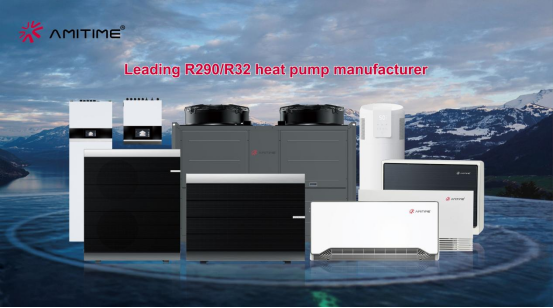
The real question is: what do you already have?
If you've got a clear product spec and engineering resources, OEM gives you full control. But if you're still building your brand and want to get to market quickly, ODM is usually the smarter play. A good manufacturer will offer both. AMITIME's approach is a good example — they have a complete R&D, manufacturing, and certification system, and they work with partners to adapt products to local market requirements, from German noise standards to North American safety certifications.
A few things to watch out for
No matter which route you take, the manufacturer's actual capability matters more than the label. Do they have their own labs? Can they handle the certification process for your target market? Do they have a track record of delivering consistent quality? AMITIME runs three production bases, employs over 800 people with about 20% in engineering roles, and holds a range of intellectual property rights covering system design and control technologies.
That's the kind of infrastructure that makes both OEM and ODM work.
So the question isn't really OEM vs. ODM — it's about which one gets you where you need to be, with the least risk and the shortest path to market.


 English
 Deutsch
 français
 Español
 italiano
 Türkçe
 Svenska
 Afrikaans
 русский
 العربية
 日本語
日本語