Residential heat pumps are emerging as a revolutionary solution in home heating, offering a range of benefits and challenges. This article explores the various aspects of these innovative systems.
What Are Residential Heat Pumps?
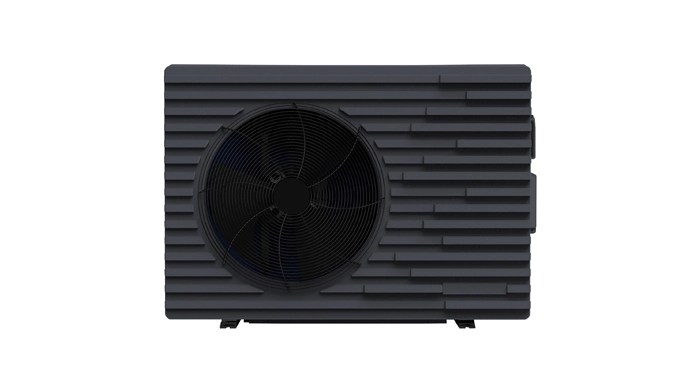
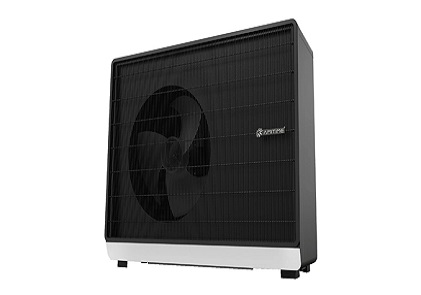
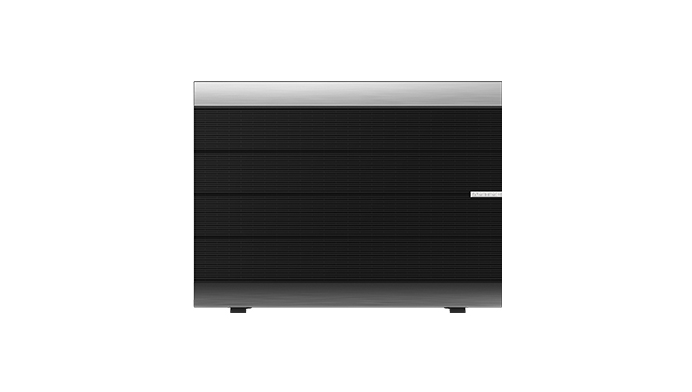
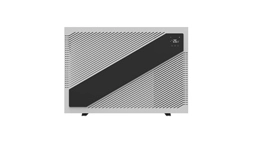
Residential heat pumps are devices that transfer heat from one place to another. They can extract heat from the outside air, ground, or water and move it into a home during the winter. In the summer, they can reverse the process, acting as an air - conditioner. There are different types, such as air - source heat pumps, ground - source heat pumps, and water - source heat pumps. Air - source heat pumps are the most common due to their relatively lower cost and easier installation. Ground - source heat pumps, on the other hand, are more efficient but require significant upfront investment for ground loop installation.
Advantages of Residential Heat Pumps
One of the main advantages of heat pumps is their energy efficiency. They can provide up to four times more energy than they consume, which leads to lower energy bills. This efficiency also has environmental benefits, as it reduces greenhouse gas emissions compared to traditional heating systems like furnaces that burn fossil fuels. Heat pumps also offer both heating and cooling capabilities in one unit, eliminating the need for separate heating and cooling systems. Additionally, they operate quietly and have a long lifespan with proper maintenance.
Disadvantages of Residential Heat Pumps
Despite their many benefits, residential heat pumps also have some drawbacks. In extremely cold climates, air - source heat pumps may lose efficiency, and supplementary heating may be required. The initial cost of purchasing and installing a heat pump can be high, especially for ground - source systems. There may also be issues with compatibility with existing ductwork in older homes, which could require additional modifications. Moreover, the performance of heat pumps can be affected by factors such as the size of the unit, insulation of the home, and local climate conditions.
The Future of Residential Heat Pumps
The future looks promising for residential heat pumps. With advancements in technology, heat pumps are becoming more efficient and cost - effective. Governments around the world are also promoting the use of heat pumps through incentives and subsidies to encourage homeowners to switch to more sustainable heating solutions. As the demand for energy - efficient and environmentally friendly home heating options grows, heat pumps are likely to become an even more popular choice. However, continued research and development are needed to address the current limitations and make them more accessible to a wider range of consumers.
In conclusion, residential heat pumps have the potential to revolutionize home heating. While they come with certain challenges, their numerous benefits make them a viable and attractive option for modern homeowners. As technology continues to evolve, we can expect to see even greater improvements in these systems.


 English
 Deutsch
 français
 Español
 italiano
 Türkçe
 Svenska
 Afrikaans
 русский
 العربية
 日本語
日本語