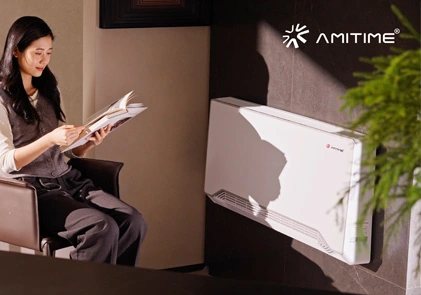
Residential heat pumps have emerged as a game - changer in the quest for home comfort. They are not just another heating and cooling system; they represent a shift towards more efficient, sustainable living. This article delves into the various aspects of these remarkable devices.
The Science Behind Heat Pumps
A heat pump operates on the principle of transferring heat from one place to another. In winter, it extracts heat from the outside air (even in cold temperatures), and transfers it inside the home. During summer, it reverses the process, removing heat from the indoor environment and expelling it outside. This principle is based on the refrigeration cycle, where a refrigerant absorbs and releases heat as it changes state between liquid and gas.
The efficiency of a heat pump is measured by its Coefficient of Performance (COP). A high COP indicates that the heat pump can produce more heating or cooling output for a given amount of energy input. For instance, a COP of 3 means that for every unit of electrical energy consumed, the heat pump can provide three units of heating or cooling. This makes heat pumps significantly more energy - efficient than traditional heating systems like furnaces.
Benefits of Residential Heat Pumps
One of the most significant benefits of heat pumps is their energy efficiency. They can reduce energy consumption by up to 50% compared to conventional heating and cooling systems. This not only translates into lower utility bills but also reduces the carbon footprint of a household. For example, a family using a heat pump can save hundreds of dollars annually on energy costs.
Heat pumps also offer consistent temperature control. They can maintain a stable indoor temperature throughout the year, providing a comfortable living environment. Additionally, they are quieter than many traditional systems, which is a major advantage for homeowners who value peace and quiet.
Installation and Maintenance
The installation of a residential heat pump requires professional expertise. A qualified technician will assess the size of the home, insulation levels, and local climate conditions to determine the appropriate heat pump size and type. Proper installation is crucial for optimal performance and efficiency.
Maintenance of heat pumps is relatively straightforward. Regular filter cleaning or replacement, as well as annual professional inspections, can ensure the system runs smoothly. These simple maintenance tasks can extend the lifespan of the heat pump and prevent costly breakdowns.
The Future of Residential Heat Pumps
The future looks bright for residential heat pumps. As technology continues to advance, we can expect even greater efficiency improvements. New materials and designs are being developed to enhance performance further.
In addition, government incentives are likely to play an important role in promoting widespread adoption. Many countries offer rebates or tax credits for homeowners who install energy - efficient heat pumps. With increasing awareness about environmental issues and energy conservation, heat pumps are set to become a standard feature in modern homes.


 English
 Deutsch
 français
 Español
 italiano
 Türkçe
 Svenska
 Afrikaans
 русский
 العربية
 日本語
日本語