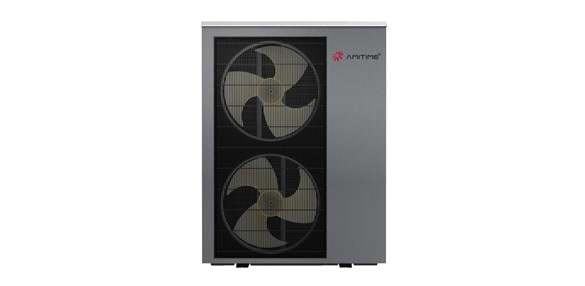
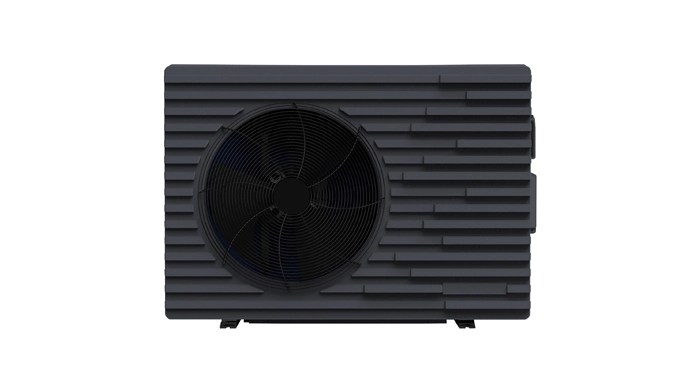
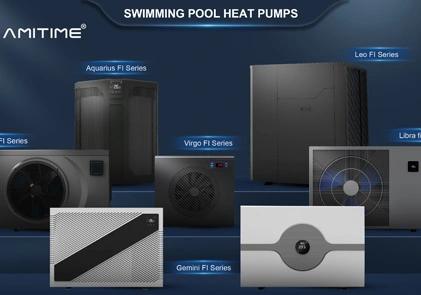
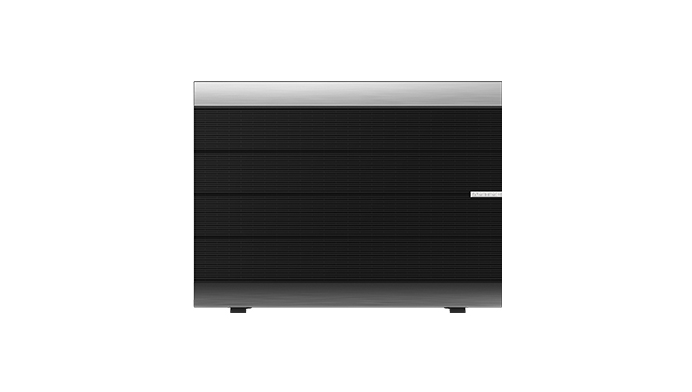
Swimming pool heat pumps are innovative devices designed to maintain a comfortable water temperature in swimming pools. These systems are an eco - friendly and cost - effective alternative to traditional pool heating methods. They operate by extracting heat from the surrounding air and transferring it to the pool water. This process makes them highly efficient, especially in warmer climates.
The core of a swimming pool heat pump is its refrigeration cycle. The system contains a refrigerant, which is a special fluid that can easily change between a liquid and a gaseous state. First, the refrigerant absorbs heat from the outside air through an evaporator coil. As it gets warmer, the refrigerant turns into a gas. Then, a compressor increases the pressure and temperature of the gas. After that, the hot gas passes through a condenser coil, where it releases the heat to the pool water flowing around the coil. Finally, the refrigerant condenses back into a liquid and the cycle repeats.
One of the significant advantages of swimming pool heat pumps is their energy efficiency. They use a relatively small amount of electricity to move heat from the air to the pool, making them much cheaper to run compared to electric resistance heaters or gas heaters. Additionally, they are environmentally friendly as they produce fewer greenhouse gas emissions. They also have a long lifespan, typically lasting 10 - 20 years with proper maintenance. Moreover, they can provide consistent heating, ensuring a comfortable swimming experience throughout the swimming season.
However, swimming pool heat pumps also have some limitations. Their performance is highly dependent on the ambient air temperature. In colder climates, when the air temperature drops below 45 - 50°F (7 - 10°C), their efficiency decreases significantly, and they may not be able to heat the pool effectively. Moreover, the initial installation cost of a heat pump is relatively high compared to some other pool heating options. Additionally, they require a certain amount of space for installation and need to be properly sized for the pool to work efficiently.
Proper installation is crucial for the performance of a swimming pool heat pump. It should be installed in a well - ventilated area with enough space around it for air circulation. The pool water filtration system also needs to be in good working condition to ensure that the heat pump operates smoothly. Regular maintenance includes cleaning the air filters, checking the refrigerant levels, and inspecting the electrical connections. It is recommended to have a professional service the heat pump at least once a year to maintain its efficiency and longevity.


 English
 Deutsch
 français
 Español
 italiano
 Türkçe
 Svenska
 Afrikaans
 русский
 العربية
 日本語
日本語