Heat pumps have become a popular choice for heating and cooling systems due to their energy - efficiency and environmental friendliness. There are numerous suppliers in the market, each with its own unique features and offerings. This article will explore different aspects of heat pumps suppliers.
There are two main types of heat pump suppliers: manufacturers and distributors. Manufacturers are companies that produce heat pumps from scratch. They invest heavily in research and development to create innovative and high - quality products. For example, Daikin is a well - known manufacturer that offers a wide range of heat pumps with advanced technology. On the other hand, distributors are responsible for selling the products to end - users. They often have a large network of dealers and can provide quick delivery and after - sales service. Companies like Ferguson are major distributors in the heat pump market, connecting manufacturers with consumers.
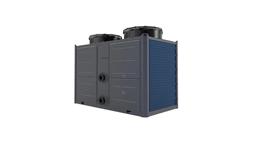
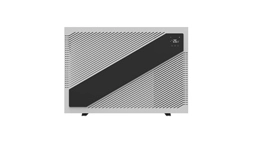
Heat pump suppliers offer a diverse product range to meet different customer needs. Air - source heat pumps are the most common type, which extract heat from the air. They are suitable for both residential and commercial use and are relatively easy to install. Ground - source heat pumps, also known as geothermal heat pumps, are more efficient but more expensive to install. They extract heat from the ground, providing a stable source of energy. Water - source heat pumps, which use water as a heat source, are another option, often used in areas with access to a large water body. Suppliers usually have different models and capacities within each type of heat pump to accommodate various heating and cooling requirements.
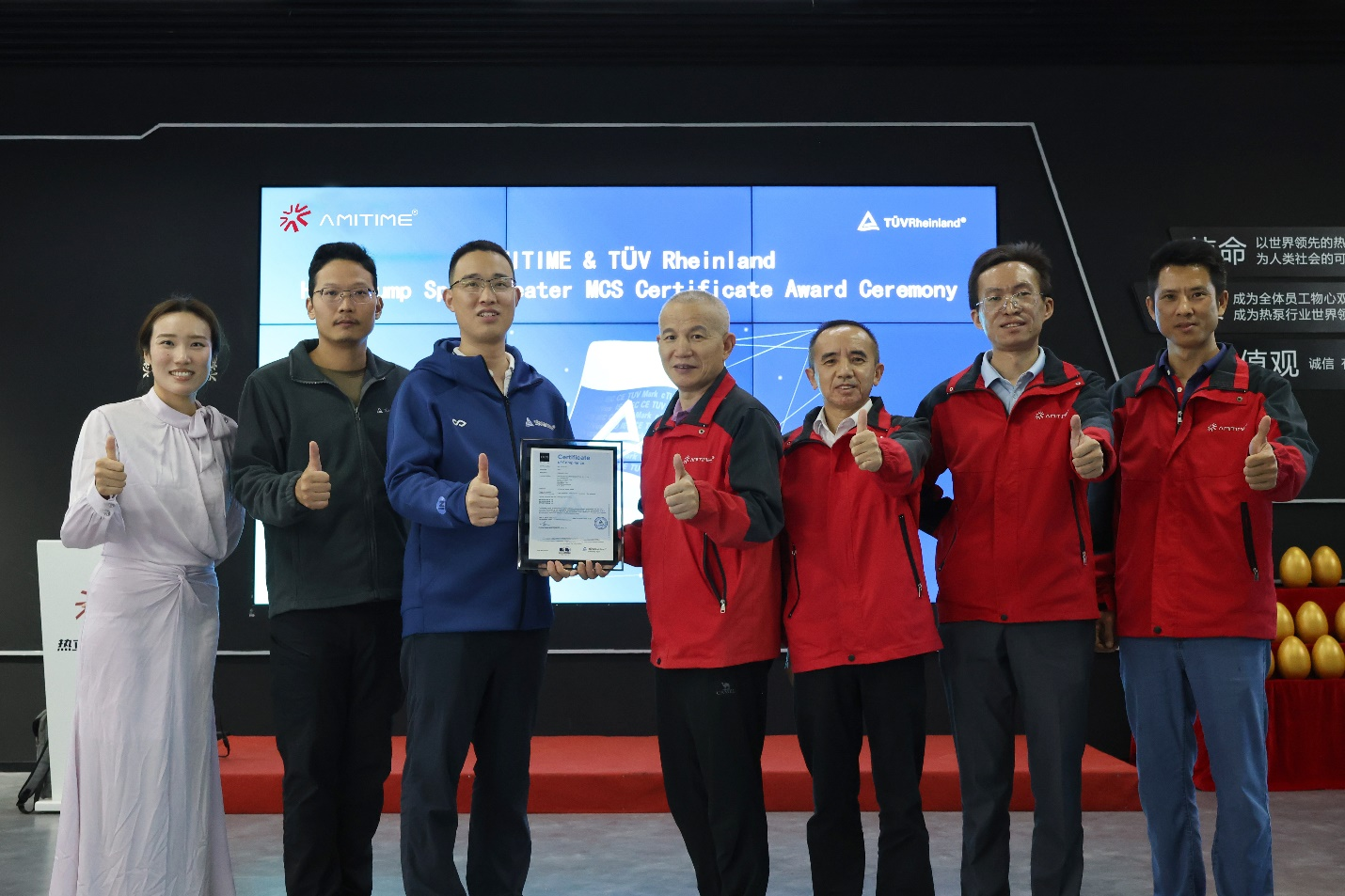
Quality is a crucial factor when choosing a heat pump supplier. Reputable suppliers ensure that their products meet high - quality standards. They often obtain certifications such as the Energy Star label, which indicates that the heat pump meets strict energy - efficiency guidelines set by the government. Other certifications may include ISO 9001 for quality management systems. These certifications give customers confidence in the performance and reliability of the heat pumps. Suppliers that invest in quality control and testing processes are more likely to provide long - lasting and efficient products.
Good customer support is essential for heat pump suppliers. This includes pre - sales advice, installation guidance, and after - sales service. Before purchasing a heat pump, customers may have questions about the right type, size, and installation requirements. A knowledgeable sales team can provide accurate information and help customers make informed decisions. During installation, suppliers may offer technical support to ensure that the heat pump is installed correctly. After - sales service, such as maintenance and repair, is also crucial. Suppliers with a reliable service network can quickly respond to customer issues and keep the heat pump running smoothly.
In conclusion, when looking for a heat pump supplier, it is important to consider the type of supplier, product range, quality and certification, and customer support. By carefully evaluating these factors, customers can find a supplier that meets their needs and provides a high - quality heat pump system.


 English
 Deutsch
 français
 Español
 italiano
 Türkçe
 Svenska
 Afrikaans
 русский
 العربية
 日本語
日本語