As Europe continues its energy transition, heat pumps are playing an increasingly important role in building heating and industrial heating. Compared with conventional fossil fuel-based heating systems, heat pumps use heat from the air, water, or ground to meet heating needs while improving energy efficiency. When powered by renewable electricity from sources such as wind and solar, they can further reduce carbon emissions.
In its latest analysis published on 12 November 2026, the European Heat Pump Association (EHPA) states that wider heat pump adoption across all suitable buildings and industrial processes where heat pumps can be used, combined with renewable electricity from wind and solar, could help Europe avoid around 600 million tonnes of CO₂ emissions. This represents approximately 25% of Europe’s carbon emissions from energy.
The analysis highlights the potential of heat pumps to reduce emissions as Europe moves towards a cleaner energy system. It also points to significant opportunities for further heat pump adoption in residential heating and industrial applications.
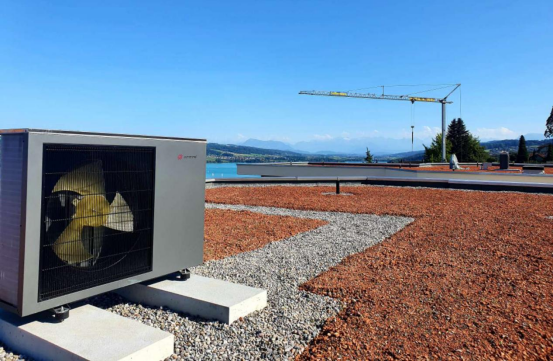
According to EHPA, around 30 million residential heat pumps have already been installed across Europe, with approximately 3 million more added in 2025. If heat pumps were installed in all buildings suitable for this technology, the total number of residential heat pumps in Europe could reach at least 100 million.
This indicates significant room for growth in the European residential heat pump market. As demand for building energy upgrades and cleaner heating solutions continues to grow, heat pumps are expected to be used in more homes.
There is also considerable potential in the industrial sector. EHPA points out that, with current technology, heat pumps could replace natural gas in around 39% of industrial processes. This shows that, beyond residential heating, industrial heating needs also offer new opportunities for heat pump applications.
Climate conditions, building structures, and heating habits vary across European countries and regions. Therefore, when selecting a heat pump, customers need to look beyond heating capacity and energy efficiency and consider whether the equipment meets the actual requirements of the local market.
Adaptation to different climate conditions: Winter temperatures vary considerably across Europe. The cold winters in Northern Europe and the milder climates in Western and Central Europe place different demands on heating performance and operational stability. Heat pumps should be selected according to local conditions to meet heating needs while maintaining good operating efficiency.
Compatibility with existing buildings and heating systems: Retrofitting existing buildings is an important part of the European heat pump market. Many European homes already have hydronic heating systems. When replacing or upgrading heating equipment, customers need to consider whether the heat pump can work with existing pipework, radiator systems, or underfloor heating systems, as well as whether suitable installation conditions are available. System compatibility and the complexity of installation both affect project implementation.
Comfort and smart control: In addition to winter heating, users are increasingly looking for cooling and domestic hot water solutions. Features such as cooling, domestic hot water supply, and smart control, as well as the equipment’s operating noise level, should also be considered based on actual needs. Heat pump selection should therefore take into account not only heating performance but also overall comfort and control functions.
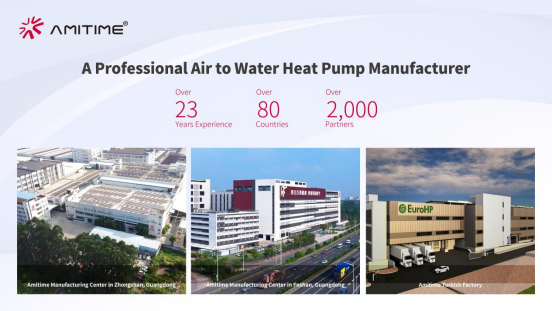
Established in 2003, AMITIME specializes in the R&D and manufacturing of air source heat pumps. Over the years, the company has continued to develop its presence in Europe and gained experience in product applications across different countries and regions.
To meet the climate conditions, building requirements, and user needs of different markets, AMITIME continuously improves product design, component selection, and system control to enhance equipment performance under different operating conditions. The company also provides products and technical support to HVAC companies, distributors, installers, and project partners.

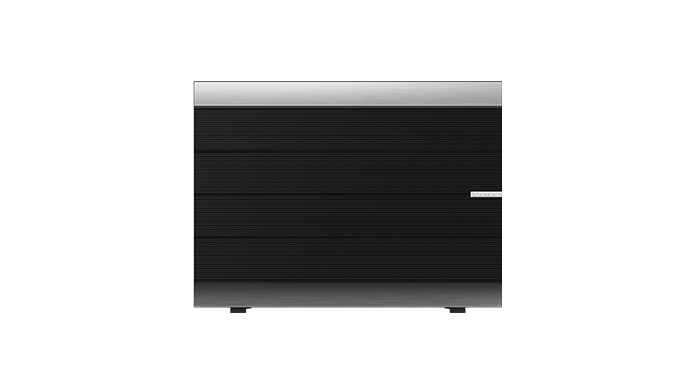
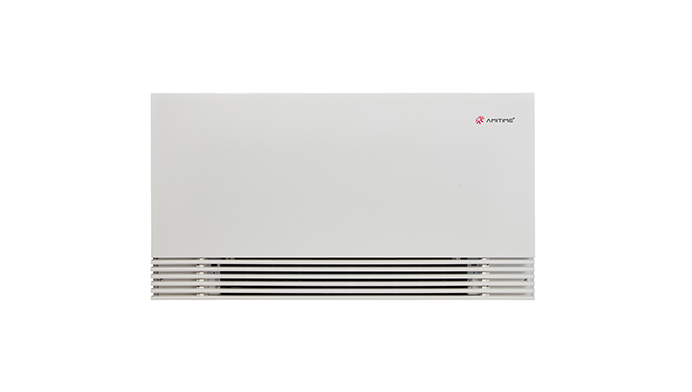
AMITIME offers a wide range of products for residential heating and cooling, domestic hot water, pool heating, and commercial and industrial applications. In R&D, the company continues to improve system efficiency and operating control while actively promoting the use of low-GWP R290 refrigerant. Combined with smart control technology, these efforts support a range of product options for different markets.

In manufacturing, AMITIME has established three production bases in Zhongshan and Foshan, China, and Istanbul, Turkey. This global manufacturing layout enables the company to better serve customers in different markets with heat pump products and OEM/ODM services.
As heat pumps become more widely used in residential and industrial applications, energy efficiency, low-temperature heating performance, system compatibility, and long-term reliability will remain important factors in customers’ purchasing decisions.
AMITIME will continue to focus on the R&D and manufacturing of air source heat pumps, further improving product performance and manufacturing capabilities to provide global customers with efficient and reliable heat pump products and OEM/ODM support.
Q1: How Can Air Source Heat Pumps Help Reduce Carbon Emissions?
Air source heat pumps absorb heat from the outdoor air to provide heating. Compared with conventional gas heating systems, they can reduce reliance on fossil fuels and improve energy efficiency. When powered by renewable electricity from sources such as wind and solar, they can further reduce carbon emissions.
According to EHPA’s analysis published in November 2026, wider heat pump adoption across suitable buildings and industrial processes where heat pumps can be used, combined with renewable electricity, could help Europe avoid around 600 million tonnes of CO₂ emissions. This represents approximately 25% of Europe’s energy-related carbon emissions.
Q2: What Is the Potential for Heat Pumps in Europe’s Residential and Industrial Sectors?
According to EHPA, around 30 million residential heat pumps have already been installed across Europe, with approximately 3 million more added in 2025. If heat pumps were installed in all buildings suitable for this technology, the total number could reach at least 100 million.
In the industrial sector, current heat pump technology could replace natural gas in around 39% of industrial processes. This highlights new opportunities for heat pumps in both residential heating and industrial applications.
Q3: What Should You Consider When Choosing an Air Source Heat Pump for the European Market?
Climate and building conditions vary across Europe. When selecting an air source heat pump, customers should pay close attention to heating capacity, energy efficiency, low-temperature performance, and compatibility with existing heating systems.
In addition, cooling, domestic hot water supply, and smart control features, as well as operating noise levels, should be considered based on actual requirements.
For existing building renovation projects, it is also important to check the available pipework, installation space, and system control requirements in advance to ensure that the heat pump can work properly with the existing heating system.


 English
 Deutsch
 français
 Español
 italiano
 Türkçe
 Svenska
 Afrikaans
 русский
 العربية
 日本語