Choosing the right air source heat pump involves more than comparing prices, heating capacities, and energy efficiency ratings. For distributors, installers, and project buyers, several other factors matter, including whether the unit can operate effectively in the local climate, meet the actual heating demand, provide reliable long-term performance, and receive professional technical support from the manufacturer.
Different projects have different requirements. Building insulation, local winter conditions, heating terminal, and actual usage needs all affect equipment selection. Therefore, before comparing product specifications, it is important to understand the specific project requirements and evaluate the equipment in terms of performance, product quality, and system support.
The following seven factors can help you assess whether an air source heat pump is suitable for a particular project.
When choosing an air source heat pump, the first thing to consider is not the model, but the requirements of the project itself.
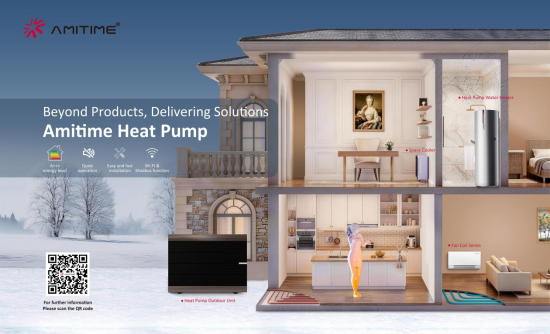
Building size, insulation performance, local winter climate, and the type of terminal units all affect system configuration. For example, underfloor heating typically operates with a lower water supply temperature, while traditional radiators may require a higher temperature. Different heating systems therefore have different requirements for the heat pump’s outlet water temperature and actual heating capacity.
Equipment capacity should be calculated based on the building’s heat load, rather than estimated simply from floor area. An undersized unit may not meet the heating demand, while an oversized unit may increase equipment costs and affect operating efficiency under certain conditions.
It is also important to consider whether the project requires cooling or hot water, as well as whether the heat pump is compatible with the existing system.
Before selecting a product model, it is therefore recommended to assess the building’s heat load and develop an appropriate system design. This helps ensure that the equipment matches the actual application requirements.
For regions with cold winters, the performance of an air source heat pump at low outdoor temperatures is particularly important.
As the outdoor temperature drops, the heating capacity and energy efficiency of a heat pump may change. Therefore, the rated heating capacity under standard conditions does not fully represent its actual heating performance in cold weather.
When selecting a unit, check its heating capacity, COP, and operating temperature range at different outdoor temperatures. It is also important to understand its defrost control performance. In cold and humid conditions, frost can easily form on the outdoor heat exchanger. The defrost strategy can affect continuous operation and heating performance.
For markets such as Europe, where winter conditions vary significantly between regions, the equipment’s performance data should also be checked against the winter design temperature of the project location.
A clear understanding of low-temperature performance helps determine whether the unit is suitable for the local climate and project requirements.
When choosing an air source heat pump, be careful with product claims based on high COP values under specific test conditions. COP indicates the energy efficiency of a unit under particular testing conditions. It does not represent the overall efficiency throughout an entire heating season.
Compared with COP under a single set of conditions, SCOP provides a better indication of seasonal energy efficiency under specified climate conditions and test methods. Therefore, when comparing products, do not focus only on the highest advertised COP. Check the SCOP under operating conditions that match the project’s actual water supply temperature requirements.
For example, underfloor heating typically uses a lower water supply temperature, while radiator systems may require a higher temperature. The heat pump’s energy efficiency can vary at different outlet water temperatures. Comparing products under conditions that reflect the actual project requirements provides a more accurate assessment of their suitability.
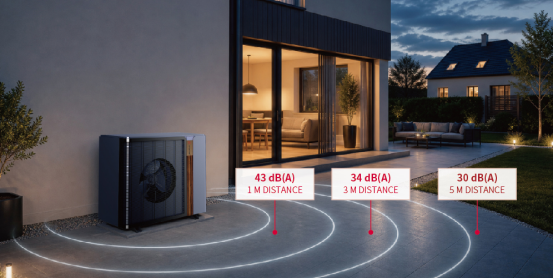
The noise figure listed in an air source heat pump’s specifications usually represents the test result under specific operating conditions. It does not reflect the unit’s noise performance in every operating mode.
Cold winter nights can be particularly challenging for heat pump noise control. When outdoor temperatures are low, the unit may need to operate at a higher load to maintain heating performance while keeping noise levels under control to avoid disturbing the surrounding environment. In such conditions, the unit’s ability to control maximum operating noise deserves particular attention.
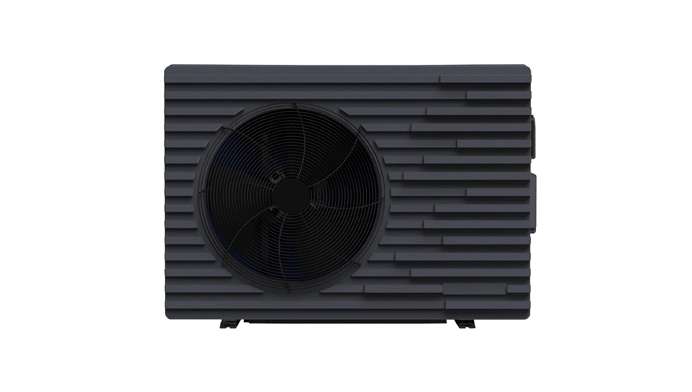
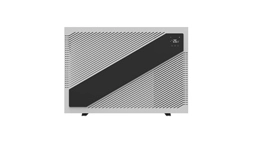
AMITIME’s SilentSTAR residential heat pump series has been specially optimized for low-noise operation. It incorporates 15 acoustic control measures to reduce operating noise while maintaining heating performance. According to tests conducted by TÜV in accordance with EN 12102-1:2022, the 8 kW model in the SilentSTAR series has a maximum measured sound power level of 59.1 dB(A).
Refrigerant selection affects not only the environmental performance of a heat pump but also its design, manufacturing, and installation safety.
R290 is a natural refrigerant with a low Global Warming Potential (GWP). It has become increasingly popular in both residential and commercial heat pump applications.
However, R290 is classified as an A3 flammable refrigerant. Equipment design, manufacturing, and installation must therefore meet the relevant safety requirements.
When selecting a heat pump, consider not only the environmental performance of its refrigerant but also whether the equipment complies with relevant safety standards and whether the manufacturer has sufficient experience in designing and manufacturing R290 heat pumps.
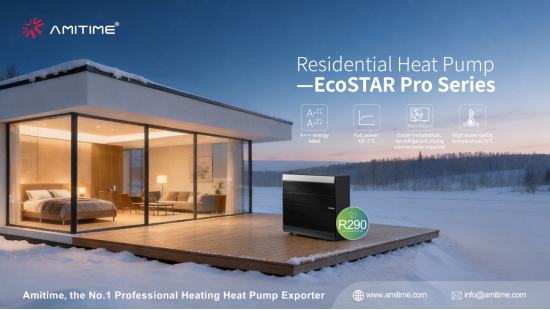
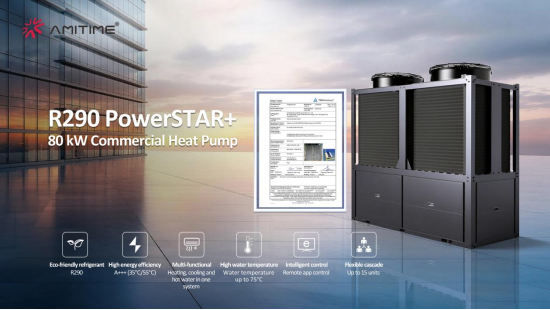
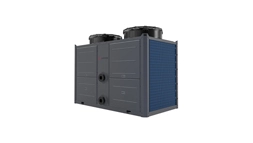
AMITIME uses R290 in product series such as the EcoLITE residential heat pumps and PowerSTAR+ commercial heat pumps, offering options for different applications.
Air source heat pumps may operate continuously for extended periods during the heating season. Components such as the compressor, heat exchanger, fan, water pump, and control system need to work together reliably over time. Component selection, overall unit design, and production quality control all affect long-term performance.
When evaluating a product, consider whether the manufacturer has its own R&D capabilities, how its core components are selected, what performance and reliability tests the product undergoes, and how quality is inspected during production.
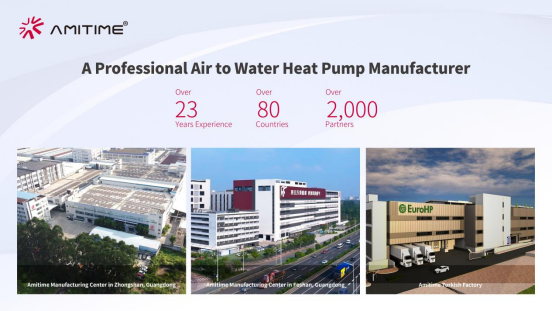
Beyond the product itself, the manufacturer’s production capacity, quality management system, and ongoing R&D capabilities are also worth considering. These factors help assess whether a supplier can consistently provide reliable products and technical support.
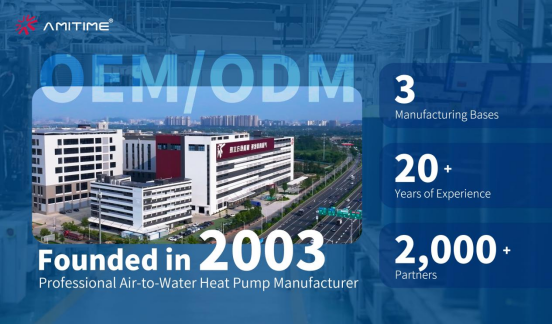
Established in 2003, AMITIME has focused on heat pump R&D and manufacturing for more than 20 years. The company operates three production bases in Zhongshan and Foshan, China, and Istanbul, Turkey. Through continuous investment in R&D, product testing, and production quality management, AMITIME provides heat pump solutions for different markets and applications.
As heat pump applications continue to expand, smart control and energy management are becoming increasingly important considerations when selecting equipment.
For everyday users, features such as remote monitoring, temperature adjustment, and operating mode control through an app make equipment easier to manage. Inverter technology adjusts the compressor’s operating frequency according to actual heating or cooling demand. This helps reduce unnecessary start-stop cycles and supports more stable operation.
For projects with more advanced energy management requirements, it is also worth checking whether the equipment supports smart grid integration and electricity price response. These technologies can adjust operating strategies based on electricity prices and grid demand, helping users manage energy consumption and potentially reduce operating costs under suitable conditions.
Some AMITIME products support AI smart grid integration, allowing operating strategies to be adjusted according to electricity price information and grid demand, helping users optimize equipment operating time.
For overseas distributors, installers, and contractors, product functions are not the only consideration. It is also important to assess whether the manufacturer can provide professional equipment selection advice, system design, installation guidance, and after-sales technical support. For markets with specific product requirements, it is also worth exploring OEM/ODM cooperation and related customization capabilities.
Such support can help improve project implementation efficiency and contribute to reliable long-term equipment operation and business cooperation.
There is no single specification that determines whether an air source heat pump is the right choice. From building heat load, low-temperature heating capacity, and energy efficiency to product reliability, smart control, and system design, every factor should be evaluated in the context of the actual application.
For distributors, installers, and project buyers, selecting the right air source heat pump involves more than evaluating current product performance. It is also important to consider the manufacturer’s R&D capabilities, production quality control, OEM/ODM experience, and long-term technical support. A reliable manufacturer can help business partners meet the needs of different markets and provide ongoing support for project delivery and long-term operation.
FAQ 1: What technical specifications should I focus on when purchasing an air source heat pump?
Key specifications include COP, SCOP, heating capacity at different outdoor temperatures, water supply temperature range, operating noise, and applicable ambient temperature range. You should also check the test conditions and standards behind the specifications to ensure that data from different brands and models can be compared fairly. For project applications, the equipment should also be evaluated against the building’s heat load and heating terminal to confirm that it meets the actual requirements.
FAQ 2: How do I determine the right capacity for an air source heat pump?
The capacity of an air source heat pump should be determined based on the actual heat load of the project, rather than estimated solely from floor area. Key factors include building insulation, local winter design temperature, the type of heating terminals, and hot water requirements. In colder regions, it is also important to check the unit’s actual heating capacity at the design outdoor temperature to ensure that it can meet the project’s heating demand.
FAQ 3: What should I consider when choosing an air source heat pump manufacturer?
In addition to product performance and price, consider the manufacturer’s R&D capabilities, production capacity, quality control system, international certifications, and technical support for projects. For overseas distributors, installers, and project partners, it is also worth checking whether the manufacturer offers OEM/ODM cooperation and ongoing after-sales support. These factors help ensure project quality and support long-term business cooperation.


 English
 Deutsch
 français
 Español
 italiano
 Türkçe
 Svenska
 Afrikaans
 русский
 العربية
 日本語