Residential heat pumps have emerged as a revolutionary solution for home heating. In this article, we will explore different aspects of using residential heat pumps to transform your home heating system.
How Residential Heat Pumps Work
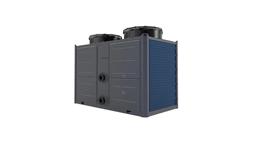
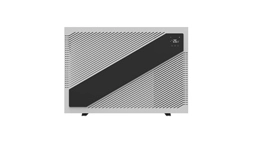
Residential heat pumps operate on the principle of transferring heat rather than generating it. They extract heat from the outside air, ground, or water and move it indoors during the cold season. In summer, the process can be reversed to provide cooling. This dual - functionality makes them a versatile option for year - round climate control. For example, an air - source heat pump absorbs heat from the outside air even in cold temperatures and transfers it inside. Ground - source heat pumps, on the other hand, take advantage of the relatively stable temperature underground.
Benefits of Residential Heat Pumps
The advantages of residential heat pumps are numerous. Firstly, they are energy - efficient. Since they transfer heat instead of creating it, they consume less electricity compared to traditional heating systems like electric furnaces. This leads to significant cost savings on energy bills over time. Secondly, they are environmentally friendly. Heat pumps produce fewer greenhouse gas emissions as they rely on renewable energy sources such as ambient air or ground heat. Additionally, they offer consistent and comfortable indoor temperatures, eliminating the uneven heating often associated with some traditional systems.
Drawbacks of Residential Heat Pumps
However, there are also some drawbacks to consider. The initial installation cost of a residential heat pump can be quite high, especially for ground - source heat pumps which require extensive ground excavation. Air - source heat pumps may experience reduced efficiency in extremely cold weather conditions, as there is less heat available in the outside air. Moreover, heat pumps need proper maintenance to ensure optimal performance. Filters need to be cleaned regularly, and professional servicing may be required at least once a year.
Considerations for Choosing a Residential Heat Pump
When choosing a residential heat pump, several factors should be taken into account. The size of your home is crucial; an undersized heat pump will struggle to heat or cool the space effectively, while an oversized one may cycle on and off frequently, leading to increased wear and tear. The climate in your area also plays a significant role. In colder regions, a ground - source heat pump may be a better choice due to its more stable performance. Additionally, consider the noise level of the heat pump if it will be installed near living areas. You should also check the warranty and the reputation of the manufacturer.
In conclusion, residential heat pumps offer a promising way to revolutionize home heating. While they come with some challenges such as high upfront costs and performance limitations in certain conditions, their long - term energy savings and environmental benefits make them an attractive option for many homeowners.


 English
 Deutsch
 français
 Español
 italiano
 Türkçe
 Svenska
 Afrikaans
 русский
 العربية
 日本語
日本語