Water heating is an essential aspect of modern living, providing comfort and convenience in numerous daily activities. From taking a warm shower to doing the dishes, having access to hot water is crucial. This article delves into different water - heating methods, their advantages, and considerations.
Traditional storage water heaters are the most common type found in households. These units consist of a large tank that stores and heats water continuously. They are powered by either gas or electricity. Gas - powered storage water heaters heat water relatively quickly and are often more energy - efficient for larger households. Electric storage water heaters, on the other hand, are generally more affordable to install but may have higher operating costs. One of the main advantages of storage water heaters is that they can provide a large volume of hot water at once. However, they also have some drawbacks. The tank takes up a significant amount of space, and there can be standby heat loss, which means energy is wasted when the water in the tank cools down and needs to be reheated.
Tankless water heaters, also known as on - demand water heaters, are becoming increasingly popular. Instead of storing hot water in a tank, these units heat water as it flows through the system. This results in energy savings as there is no standby heat loss. Tankless water heaters are compact and can be wall - mounted, saving valuable floor space. They can also provide a continuous supply of hot water, making them ideal for smaller households or applications where hot water is needed in short bursts. However, they have a limited flow rate, which means they may not be suitable for simultaneous high - demand uses, such as running multiple showers at the same time.
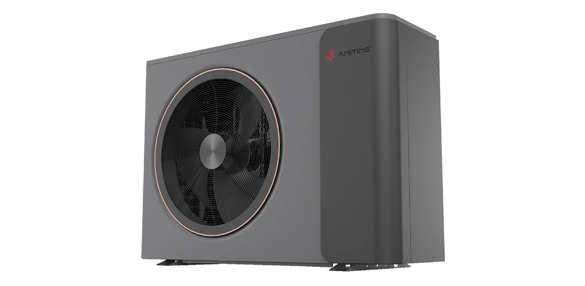
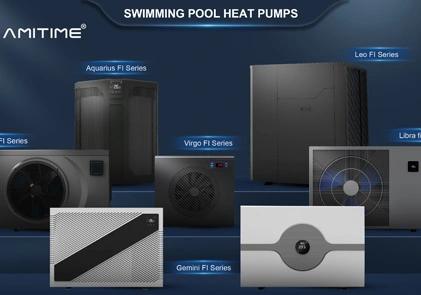
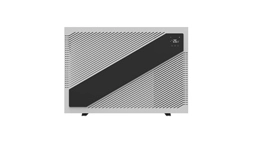
Heat pump water heaters work by transferring heat from the surrounding air or ground to the water. They are highly energy - efficient as they use electricity mainly to power the heat transfer process rather than directly heating the water. These systems can reduce energy consumption by up to 60% compared to traditional electric water heaters. Heat pump water heaters are environmentally friendly and have a long lifespan. However, they are more expensive to purchase and install initially. They also require a certain amount of space around them to function effectively, as they need to draw in air for the heat transfer process.
Solar water heaters use energy from the sun to heat water. They typically consist of solar collectors on the roof and a storage tank. Solar water heaters can significantly reduce energy costs and carbon emissions. In sunny regions, they can provide a large portion of a household's hot water needs. There are two main types: active and passive solar water heaters. Active systems use pumps to circulate the water, while passive systems rely on natural convection. The main limitation of solar water heaters is their dependence on sunlight. In cloudy or cold weather, they may need a backup heating source, such as an electric or gas heater, to ensure a continuous supply of hot water.
Choosing the right water - heating system depends on various factors, including household size, energy efficiency goals, and budget. Each type of water heater has its own set of advantages and disadvantages, and understanding these can help homeowners make an informed decision.


 English
 Deutsch
 français
 Español
 italiano
 Türkçe
 Svenska
 Afrikaans
 русский
 العربية
 日本語
日本語