Water heating is an essential aspect of modern living, providing comfort and convenience in our daily lives. In this article, we will explore different water - heating methods, their advantages, and key considerations.
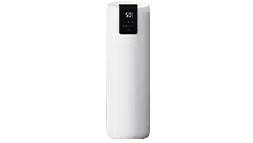
Traditional storage water heaters are the most common type found in households. These units consist of a large tank that stores and heats water continuously. They typically use either gas or electricity as an energy source. Gas - powered storage water heaters can heat water more quickly and are often more cost - effective in areas where natural gas is readily available. Electric storage water heaters, on the other hand, are easier to install and require less maintenance. However, they may have higher operating costs. One of the main advantages of storage water heaters is that they can provide a large volume of hot water at once, making them suitable for families with high hot - water demands. But they also have some drawbacks, such as standby heat loss, which means energy is wasted even when the hot water is not being used.
Tankless water heaters, also known as on - demand water heaters, have gained popularity in recent years. Unlike storage water heaters, they do not store hot water in a tank. Instead, they heat water as it flows through the unit. This results in significant energy savings, as there is no standby heat loss. Tankless water heaters are compact and can be installed in small spaces, making them a great option for apartments or homes with limited space. They also have a longer lifespan compared to traditional storage water heaters. However, they may have a lower flow rate, which means they might not be able to meet the hot - water needs of multiple fixtures being used simultaneously in large households.
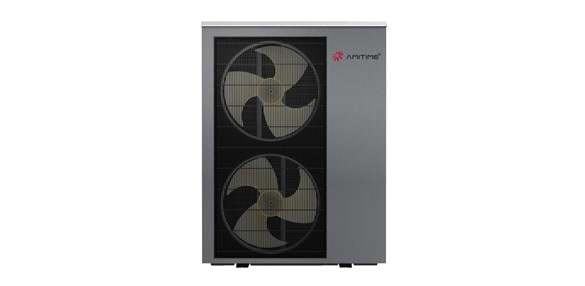
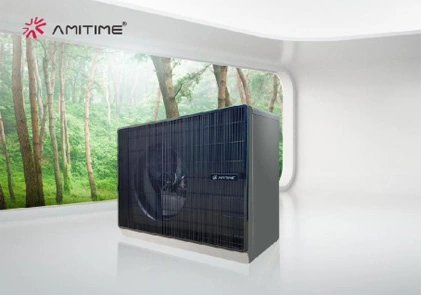
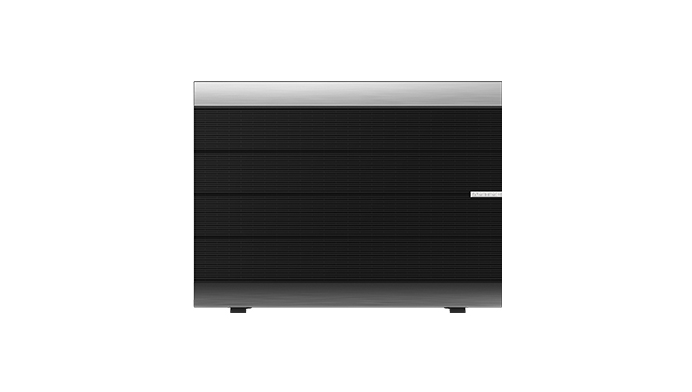
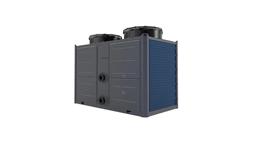
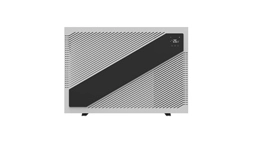
Heat pump water heaters are an energy - efficient alternative. They work by extracting heat from the surrounding air and transferring it to the water. This process is much more energy - efficient than traditional heating methods, as it uses less electricity to generate the same amount of hot water. Heat pump water heaters are environmentally friendly and can significantly reduce energy bills over time. They are also quieter in operation compared to some other types of water heaters. However, they are more expensive to purchase and install initially, and their performance can be affected by cold temperatures, as they rely on the heat in the air.
Solar water heaters utilize the sun's energy to heat water. They consist of solar collectors that absorb sunlight and transfer the heat to the water. Solar water heaters are a sustainable and cost - effective option in the long run. They can reduce reliance on fossil fuels and lower energy costs. There are two main types: active and passive solar water heaters. Active systems use pumps to circulate the water, while passive systems rely on natural convection. Solar water heaters are most effective in areas with ample sunlight. However, they may require a backup heating system for cloudy days or during periods of high hot - water demand.
When choosing a water - heating system, it's important to consider factors such as energy efficiency, initial cost, maintenance requirements, and your household's hot - water needs. By understanding the different types of water - heating solutions available, you can make an informed decision that best suits your situation.


 English
 Deutsch
 français
 Español
 italiano
 Türkçe
 Svenska
 Afrikaans
 русский
 العربية
 日本語
日本語