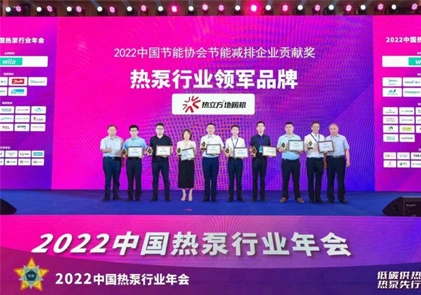
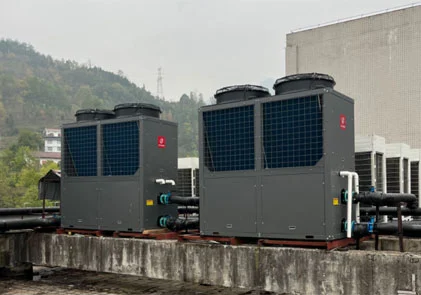
In the global pursuit of sustainable energy solutions, heat pumps have emerged as a pivotal technology, and China stands at the forefront of this revolution. With its vast population and rapid industrialization, China faces significant challenges in balancing energy demand and environmental protection. Heat pumps offer a promising avenue to address these issues, leveraging their energy - efficient and environmentally friendly characteristics.
The Technological Landscape of Heat Pumps in China
China has made remarkable progress in heat pump technology. The country is home to a large number of research institutions and manufacturing enterprises dedicated to heat pump R & D. Domestic heat pump manufacturers have developed advanced products with high - performance compressors, efficient heat exchangers, and intelligent control systems. For example, some heat pumps can achieve a coefficient of performance (COP) of over 4. meaning they can produce four units of heat for every unit of electricity consumed. This high efficiency not only reduces energy consumption but also cuts down on greenhouse gas emissions.
Market Trends and Growth Drivers
The heat pump market in China is experiencing robust growth. One of the main drivers is the government's strong support for clean energy initiatives. Policies such as subsidies for heat pump installations in residential and commercial buildings have spurred market demand. Additionally, the growing awareness among consumers about energy conservation and environmental protection has led to an increasing preference for heat pumps. In recent years, the market size of heat pumps in China has been expanding at an annual rate of over 15%. The demand from both urban and rural areas is significant, with rural areas increasingly adopting heat pumps for space heating as part of the "coal - to - electricity" project.
Challenges and Solutions
Despite the promising prospects, the heat pump industry in China also faces several challenges. One major issue is the high initial cost of heat pump systems, which can deter some consumers. Moreover, extreme cold weather in some regions can affect the performance of air - source heat pumps. To address these problems, manufacturers are working on cost - reduction strategies, such as optimizing production processes and using more cost - effective materials. In terms of cold - weather performance, new technologies like dual - source heat pumps that combine air - source and ground - source heat are being developed to ensure stable operation in harsh climates.
The Role of Heat Pumps in China's Energy Transition
Heat pumps play a crucial role in China's energy transition. By replacing traditional fossil - fuel - based heating systems with heat pumps, China can significantly reduce its carbon footprint. They also contribute to grid stability by providing flexible load management options. As more renewable energy sources like wind and solar are integrated into the power grid, heat pumps can be used to store excess energy in the form of thermal energy, thus enhancing the overall efficiency of the energy system. In the long run, heat pumps will be an essential component of China's sustainable energy future, helping the country achieve its carbon neutrality goals.




 English
 Deutsch
 français
 Español
 italiano
 Türkçe
 Svenska
 Afrikaans
 русский
 العربية
 日本語
日本語