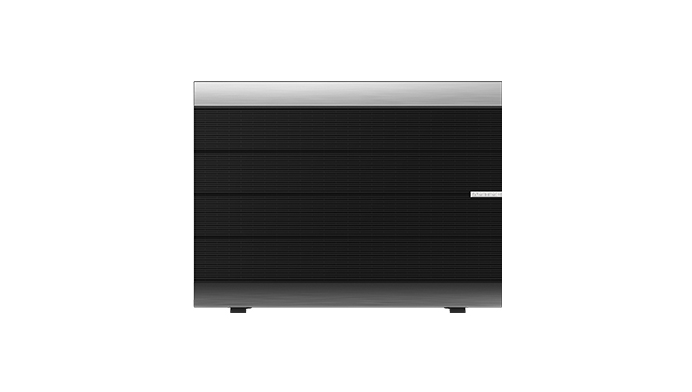
Swimming pools are a source of joy and relaxation, but their usability often depends on the water temperature. Heat pumps have emerged as a revolutionary solution to transform your swimming pool experience. Let's delve into the world of pool heat pumps and explore their magic.
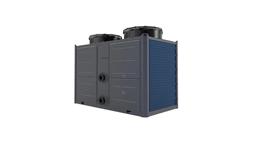
Pool heat pumps operate on a simple yet effective principle. They extract heat from the surrounding air and transfer it to the pool water. This process is based on the refrigeration cycle. The heat pump contains a refrigerant that absorbs heat from the air as it passes over an evaporator coil. The refrigerant then turns into a gas, which is compressed by a compressor. This compression increases the temperature of the gas. The hot gas then flows through a condenser coil, where it releases the heat to the pool water. After releasing the heat, the refrigerant returns to a liquid state and the cycle repeats.
One of the most significant benefits of pool heat pumps is energy efficiency. Unlike traditional heating methods such as gas heaters, heat pumps use electricity to move heat rather than generate it. This means they can provide a large amount of heat while consuming relatively little energy, resulting in lower utility bills. Additionally, heat pumps are environmentally friendly. They produce fewer greenhouse gas emissions compared to fossil - fuel - based heating systems. Another advantage is their durability. High - quality heat pumps are built to last, with many models offering a long lifespan and reliable performance. They also provide consistent water temperature, allowing you to enjoy your pool at a comfortable temperature throughout the swimming season.
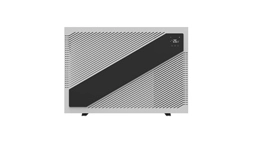
Selecting the appropriate heat pump for your pool is crucial. You need to consider the size of your pool. A larger pool will require a more powerful heat pump to heat the water effectively. The climate in your area is also an important factor. In colder climates, you may need a heat pump with a higher heating capacity. Additionally, look for features such as energy - saving modes, quiet operation, and easy maintenance. Reading customer reviews and getting recommendations from pool professionals can also help you make an informed decision.
Installation of a pool heat pump should be done by a qualified professional. They will ensure that the heat pump is installed correctly and safely, and that it is properly connected to your pool's plumbing and electrical systems. Regular maintenance is essential to keep your heat pump running efficiently. This includes cleaning the filters regularly to prevent debris from blocking the airflow, checking the refrigerant levels, and inspecting the electrical components. By following these maintenance steps, you can extend the lifespan of your heat pump and ensure optimal performance.
Heat pumps truly have the magic to revolutionize your swimming pool. They offer energy - efficient, eco - friendly, and reliable heating solutions that can enhance your pool experience. With the right heat pump and proper care, you can enjoy a warm and inviting pool all year round.


 English
 Deutsch
 français
 Español
 italiano
 Türkçe
 Svenska
 Afrikaans
 русский
 العربية
 日本語
日本語