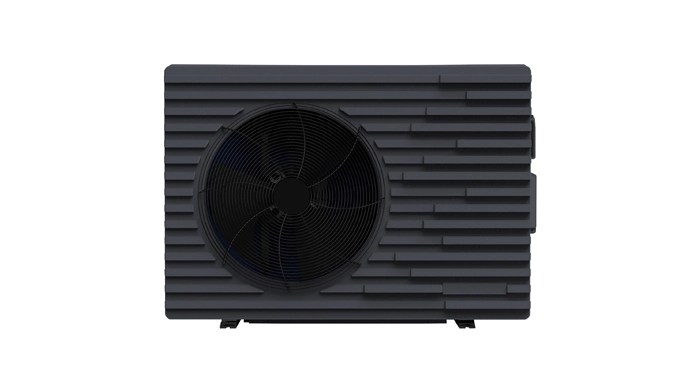
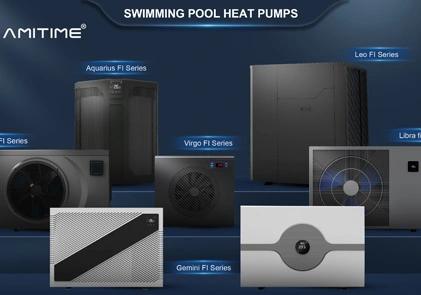
Water heating is a fundamental process with a wide range of applications in both residential and industrial settings. This article will explore various aspects of water heating, from the methods employed to the benefits and considerations.
There are several common methods for heating water. One of the most traditional is the use of a gas - fired water heater. Gas water heaters burn natural gas or propane to heat water stored in a tank. They are known for their relatively quick heating times and high efficiency. Another popular option is the electric water heater. Electric heating elements are used to heat the water. Electric water heaters are often more energy - efficient in areas where electricity is relatively inexpensive. Solar water heating systems are also gaining popularity. These systems use solar collectors to absorb sunlight and transfer the heat to the water. They are environmentally friendly and can significantly reduce energy costs over the long term.
In residential settings, water heating is essential for daily activities. Hot water is used for bathing, washing dishes, and doing laundry. A reliable water - heating system ensures comfort and convenience for the household. For example, a family of four typically requires a certain amount of hot water per day. A well - sized water heater can meet this demand. Additionally, modern water - heating systems often come with features like energy - saving modes and temperature control, allowing homeowners to customize their hot - water usage according to their needs.
Industries rely on water heating for a variety of processes. In the food and beverage industry, hot water is used for cleaning, sanitizing, and cooking. In the manufacturing sector, water heating is crucial for processes such as dyeing, heating raw materials, and maintaining the proper temperature in production lines. Large - scale industrial water - heating systems need to be highly efficient and reliable to ensure smooth operations. They often require complex control systems to manage the temperature and flow of water.
The benefits of proper water heating are numerous. It improves hygiene by providing hot water for cleaning and disinfection. It also enhances comfort, especially in cold climates. However, there are also some considerations. Energy consumption is a major concern. Choosing an energy - efficient water - heating system can help reduce costs and environmental impact. Maintenance is another important factor. Regular maintenance of water heaters, such as flushing the tank and checking the heating elements, can extend their lifespan and ensure optimal performance. In addition, safety should always be a top priority, and proper installation and use of water - heating equipment are essential to prevent accidents.
In conclusion, water heating is a crucial process with diverse methods, applications, benefits, and considerations. Whether in homes or industries, understanding these aspects can help in making informed decisions about water - heating systems.


 English
 Deutsch
 français
 Español
 italiano
 Türkçe
 Svenska
 Afrikaans
 русский
 العربية
 日本語
日本語